Routebest first city in china
Which China city is easiest for a first-time visitor?
Shanghai is usually the simplest first stop, Beijing is strongest for major history, and Chengdu is calmer when food and rhythm matter more.
City network
In short
Most first-time visitors should choose the city that makes the first 48 hours easiest, not the city with the longest attraction list. Shanghai is usually the smoothest first base, Beijing is strongest for iconic history, Chengdu is calmer for food-led trips, and Hong Kong can work as a bridge before mainland China.
Build route shapeApplies to
International travelers choosing a first China base, especially people comparing Shanghai, Beijing, Chengdu, Guangzhou, Hong Kong, Xi'an, Hangzhou, Guilin, and Yunnan.
Check before you rely on it
City choice still depends on arrival airport, visa or transit route, hotel area, season, timed attraction rules, payment setup, mobile data, and the traveler's pace.
Choose a first base by pace, region, food, landmarks, scenery, and arrival difficulty, not by one famous photo.
First-city answers
These answers cover the route and city questions behind first-time China planning, then point travelers into the city pages that fit their arrival style.
Shanghai is usually the simplest first stop, Beijing is strongest for major history, and Chengdu is calmer when food and rhythm matter more.
Start with one stable first base, protect the first 48 hours, then add a second city only when entry, data, payment, transfer, and hotel logistics are clear.
Pick the Shanghai airport route after you know the terminal, arrival time, hotel district, luggage load, and payment setup. Metro and rail can be efficient, while taxi or hotel pickup is calmer for late arrivals or heavy bags.
Choose the Beijing airport transfer around the exact airport, terminal, hotel area, and arrival time. Airport express rail can be clean and predictable, while taxi or hotel pickup is safer when fatigue, luggage, or late-night timing matters.
Chongqing can be memorable for food, night views, and mountain-city energy, but it is not the easiest first base. Use it when the traveler is comfortable with density, hills, spicy food, and navigation complexity.
First-city fit
Pick the arrival style, first-48-hour pace, route direction, and setup confidence. The result gives one first base, one alternate, and the live checks to finish before booking.
Interactive city choice
Ticket and passport planning
For Beijing, Xi'an, Zhangjiajie, Chengdu, and other high-demand days, passport checks, booking windows, phone-number prompts, and security can shape the itinerary.
Use this before timed sights, museums, scenic areas, panda bases, and real-name ticketed attractions.
Open ticket guidePlan passport details, reservation windows, security, and Beijing pacing around one major landmark day.
Open Forbidden City guideFree but reservation-only, released at 17:00 seven days ahead, one booking per account per week, and the document you booked with is checked at the North Gate.
Open museum guideWhat the meter is regulated to charge, the 23:00–05:00 night rate, the metro distance bands, and the city's own complaint lines — Beijing figures, not national ones.
Open Beijing faresCity logic
Travelers usually choose cities too late. Decide whether ease, landmarks, comfort, or scenery matters first, then use the city choice to reduce first-day surprises.
Information map
Answer the real questions a visitor has before they trust the trip: what to see, how to move, how to eat, how to get help, and what to do when something fails.
What is worth seeing, how long does it take, how do tickets work, and what day should I avoid?
Every city page needs official attraction pages, ticket rules, opening hours, crowd notes, route logic, and usable image or video provenance.
Source targets
Source examples
What does this city feel like for a foreigner walking around, eating, using transit, and asking for help?
Explain the city mood, density, pace, English-friendliness, neighborhood logic, and where first-time visitors may feel confident or overwhelmed.
Source targets
Source examples
If something goes wrong, who helps me, what number do I call, and what official visitor support exists?
Show emergency numbers, city hotlines, tourist complaint channels, airport help desks, police guidance, consular-adjacent advice, and scam warnings.
Source targets
Source examples
How do I move around, what line do I take, how much does it cost, how do I pay, and what is the easier route?
Show official metro fare tables, airport transfer pages, station-to-city routes, tourist passes, high-speed rail ticketing, and payment methods.
Source targets
Source examples
City browse
Compare first bases by arrival ease, energy, and route logic, not only by tourism fame.
Start with Shanghai, Hong Kong, or Hangzhou when the traveler wants the easiest first stop.
Open city pathUse Beijing or Xi'an when the traveler wants classic sights and cultural weight to lead the trip.
Open city pathChoose Chengdu or Hangzhou when the point is livability, pace, and strong food culture.
Open city pathUse Yunnan or Guilin when landscape and slower movement matter more than pure urban convenience.
Open city pathFirst-base matrix
Compare cities by the first few days they create: not just what is famous, but what each place makes easier or harder after landing.
| City | Best first-use | Protects | Watch out | Guide |
|---|---|---|---|---|
| Shanghai | Easiest first base | US / Europe first-time visitors who want the simplest arrival and city rhythm. | It can feel too polished if the traveler wants classic heritage immediately. | Open guide |
| Beijing | Best iconic start | Travelers who want Great Wall, imperial history, and a trip that feels unmistakably China. | Distances and landmark days can be tiring; protect recovery time. | Open guide |
| Chengdu | Best food comfort | Food-led travelers who want teahouses, pandas, hotpot, and slower mornings. | Spice and humidity need a backup plan for sensitive travelers. | Open guide |
| Hong Kong | Best bridge | Visitors who want familiar infrastructure before crossing into mainland China. | It is not a substitute for mainland payment and app setup. | Open guide |
| Guangzhou | Best Cantonese soft landing | Southeast Asian visitors, food travelers, and people who want less-spicy first meals. | Check live visitor-support and attraction pages before booking timed plans. | Open guide |
More cities
Some cities are ready to guide a real route decision now. Others should stay as ideas until transport, ticket, and support details are strong enough for a traveler to rely on.
Plan with care
Yunnan old-town and mountain route
How to use it now
Use it for Yunnan route planning, then check official scenic-area and airport-transfer pages before booking timed mountain days.
Before relying on it
Check live scenic-area notices, weather, altitude guidance, and airport-transfer options before committing.
Plan with care
Yangtze river city and central-China transport hub
How to use it now
Use it as a route idea, then confirm airport, metro, riverfront, and core-sight details before locking a short stay.
Before relying on it
Check official tourism, metro, airport, Yellow Crane Tower, and breakfast-street details before booking.
Plan with care
Coastal soft-landing city with food and island browsing
How to use it now
Use it for route inspiration, then check official ferry, airport, metro/BRT, and seafood-safety guidance before booking.
Before relying on it
Check tourism, airport, metro/BRT, Gulangyu ferry, and seafood-safety sources before committing.
Specialist route
High-altitude cultural route requiring careful preparation
How to use it now
Treat as a specialist route where entry rules, permits, health, altitude, and weather matter more than normal city browsing.
Before relying on it
Check official tourism, health, altitude, permit, and airport-transfer sources before planning.
Specialist route
Xinjiang gateway with halal and long-distance route complexity
How to use it now
Treat as a specialist long-distance route where halal food, weather, airport support, and route length need careful planning.
Before relying on it
Check official tourism, airport, halal food, weather, and route-planning sources before booking.
Smaller city guides
These 19 route-ready notes help travelers decide when a smaller or harder-to-place city is worth adding. Exact transport, ticket, and access details still need a current source check before booking.
Guangdong
A Greater Bay Area stop for Humen history, Lingnan gardens, and town-to-town planning.
Guangdong
A Cantonese culture and food add-on for Guangzhou routes, with Zumiao, ceramics, gardens, and Shunde logic.
Hainan
A Hainan gateway for Qilou old streets, island rail movement, tropical food, and a local first night.
Hebei
A Hebei rail base for Zhengding, Zhaozhou Bridge, provincial museums, and ordinary northern-city context.
Zhejiang
A coastal Zhejiang stop for port-city texture, Jiangxin Island, Nanxi River, and Yandang Mountain timing.
Qinghai
A plateau-gateway city for Qinghai Lake, Hui food, Tibetan Buddhist context, and altitude-aware pacing.
Ningxia
A northwest China stop for Hui culture, Western Xia history, Helan Mountain, and desert-edge route planning.
Before you book
These representative city sources are enough for a traveler to understand what should be verified directly: notices, attractions, metro rules, airport transfers, and seasonal changes.
National
TravelerLocal use
Use as the national reference when a city page makes broad claims about official tourism policy or safety notices.
Beijing
TravelerLocal use
Use Beijing as the iconic-history city, but keep official route, event, and complaint sources close to the page.
Shanghai
TravelerLocal use
Use Shanghai as the easy-arrival benchmark because official tourism, airport, and metro layers are comparatively complete.
Guangzhou / Guangdong
TravelerLocal use
Use this as the official source base for Guangzhou until city-level English visitor pages are more complete.
Selection flow
This is the calmer way to choose a first base: define the trip mood, pick one anchor city, then add extra movement only when it improves the route.
Step 1
Start by deciding whether the traveler wants a soft landing, classic landmarks, comfort, or scenery before comparing individual cities.
Step 2
A stronger first trip usually lets one city handle arrival, orientation, and the first confidence-building days before more movement is added.
Step 3
The second place should introduce a different payoff, not just add more transit for the sake of variety.
Trip patterns
These collections work better for international users than plain city names because they start from the trip shape the traveler already has in mind.
Start with the cities that reduce friction while still giving a strong sense of place.
Choose this route logic if your first trip needs iconic cultural payoff from day one.
Best for travelers who want the trip to feel delicious, comfortable, and easy to inhabit.
Use these when the trip is really about mountains, rivers, and slower regional movement.
Regions
This is closer to how many international users browse early on: they know the trip feeling they want, not always the exact city.
The easiest place to start if you want polished transit, city comfort, and lower-friction first stops.
Best when imperial history, iconic landmarks, and classic first-trip symbolism matter most.
A stronger fit for travelers who want a familiar urban base or a flexible entry point before moving on.
Use this when food, atmosphere, mountains, or nature-led pacing matters more than checklist sightseeing.
City guides
Use this page to choose a direction, then move into the city guide. Keep this list short; the full destination shelf stays on the destinations page where filtering works better.
East China
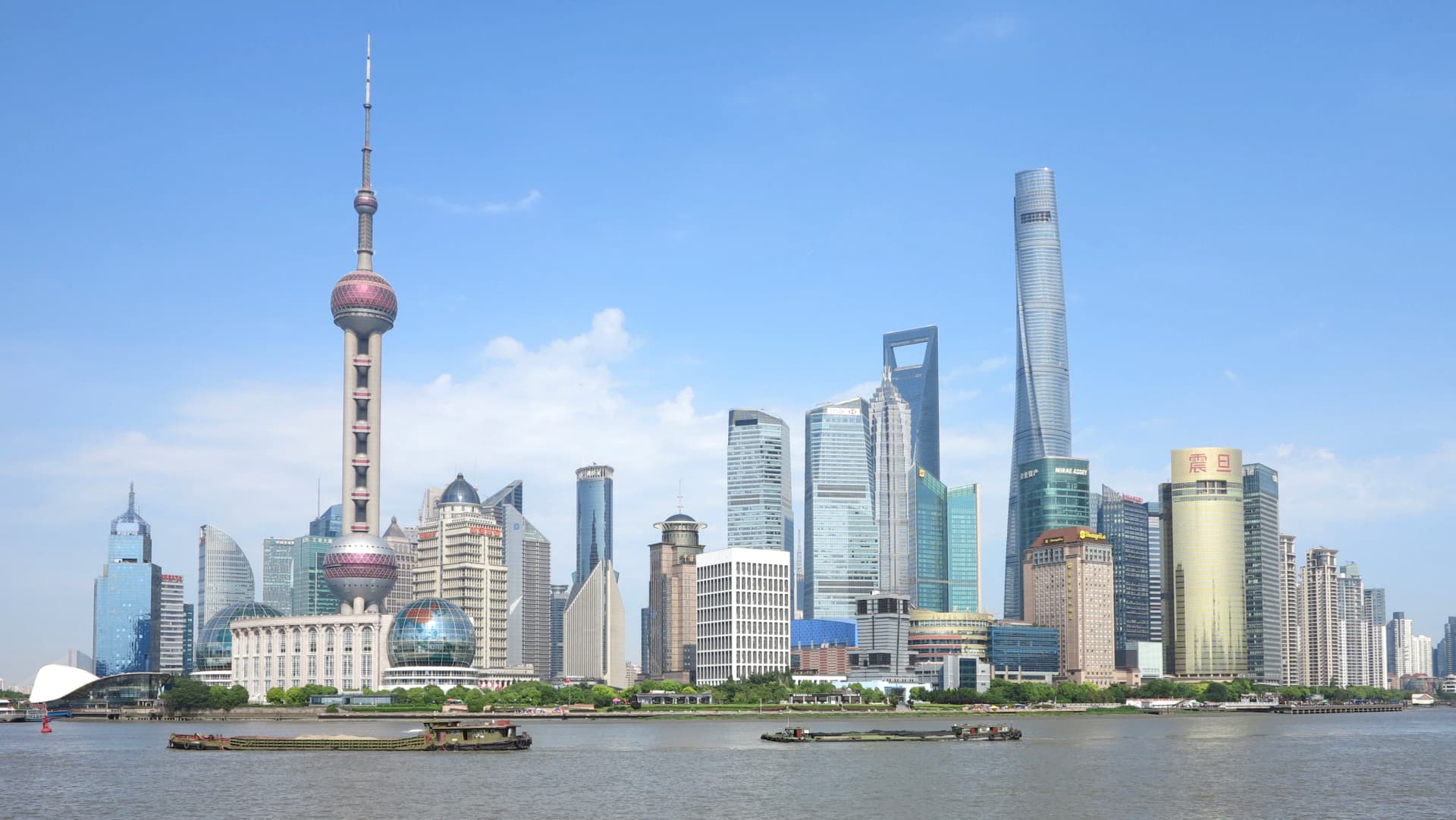
The easiest first stop for many travelers, with a smooth mix of modern China and walkable neighborhoods.
Best for: First-time visitors who want the easiest landing.
Stay: 4-6 days
North China
History, landmarks, and a stronger sense of scale if you want your first trip to feel iconic.
Best for: Travelers who want history and major sights first.
Stay: 4-5 days
Southwest China
A softer landing for travelers who care about food, slower pacing, and everyday livability.
Best for: Food-led, lower-pressure first trips.
Stay: 4-5 days
Southwest China
A broader region for travelers who want scenery, smaller towns, and a less urban introduction.
Best for: Travelers who prefer scenery over one big city.
Stay: 6-10 days
South China
A strong first stop if you want familiar infrastructure, dense urban energy, and a softer transition into greater China travel.
Best for: Travelers who want a highly legible first base.
Stay: 3-4 days
Northwest China
A better fit when you want deep history and iconic heritage without the same scale and pace pressure as Beijing.
Best for: Travelers who want heritage with a slightly tighter footprint.
Stay: 3-4 days
Attraction planning
A few attraction clusters are enough to show the planning pattern: famous places create timing, ticket, crowd, and transport questions that still need a current source check.
Check live details
Food and comfort city with a strong panda, tea-house, Taoist mountain, and heritage-day-trip layer.
Check before booking
Check official attraction pages for current names, opening rules, ticket prices, and transport before booking.
Check live details
Cinematic mountain-city route built around hotpot, river lights, steep streets, and one high-value heritage day trip.
Check before booking
Confirm ticket, cableway, cruise, and opening details with official operators before booking timed plans.
More city guides
These guides show how future city pages should feel: useful route role first, then food, transit, support, and source checks before any postcard promise.
South China
Cantonese food and trade-city confidence
A natural next city for travelers who care about dim sum, tea houses, wholesale markets, and a softer gateway into the Greater Bay Area.
Food angle
Dim sum, Cantonese roast meats, morning tea culture, late-night congee.
South China
Modern China, tech, design, and Hong Kong extension
Useful for travelers who want a very contemporary China stop, especially if they are already entering through Hong Kong.
Food angle
New southern dining, mall food halls, seafood, coffee and design districts.
East China
Gardens, canals, and a calm Shanghai side trip
A strong add-on for visitors who want heritage and beauty without committing to a large second-city itinerary.
Food angle
Jiangnan sweets, seasonal river food, noodle shops, teahouses near gardens.
Southwest China
Mountain city, hotpot, and dramatic urban scale
The city gives travelers a high-energy, visually distinctive version of urban China beyond gentle first stops.
Food angle
Hotpot spice levels, night food streets, noodles, communal eating rules.
Food habits
Food is not just inspiration. It affects payment, language, spice tolerance, dietary restrictions, and whether travelers feel ready enough to leave hotel restaurants.
Many meals are shared from the middle of the table. Visitors should expect to order several dishes for the table instead of one plate per person.
Traveler move
Ask for one vegetable, one protein, one staple, and one regional dish when you are unsure.
Sichuan, Chongqing, Hunan, and some Yunnan meals can be much spicier than Shanghai, Hangzhou, Suzhou, or Cantonese food.
Traveler move
Learn a mild-spice phrase and keep one plain carb or vegetable dish on the table.
Next move
Read enough to make the decision smaller, then open the checklist, search a specific question, choose a setup tool, or share the page with the person planning with you.
Use the checklist when the question has shifted from research to preparation.
Search by the actual problem: Alipay, eSIM, transit visa, first transfer, vegetarian food, or a city name.
Open recommendations when the task is clear enough for a short list to be useful.