Back to Destinations

Practical city brief

Nanjing

Nanjing is the history-heavy East China city for travelers who want serious context, Ming heritage, memorial etiquette, and Qinhuai food streets.

Choose Nanjing when you want a city with historical gravity but do not want to detour all the way north.

Quick answer

Use Nanjing for one serious history day and one lighter Qinhuai evening.

Use this page when

Travelers who want deep history near Shanghai

Share this page

EmailWhatsAppXSuggest fix

Send this guide to a travel partner, family member, or yourself before departure.

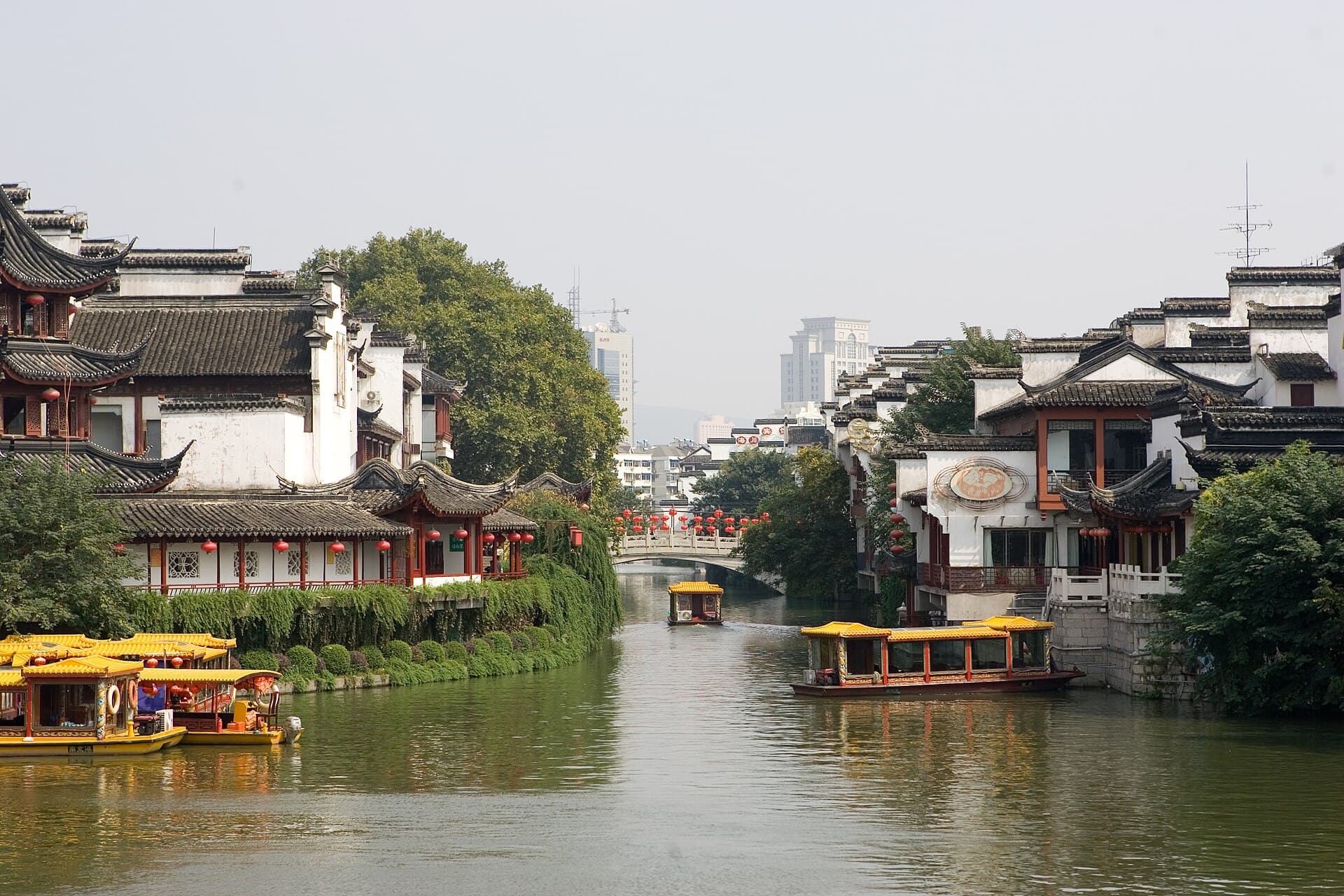
Qinhuai River and Confucius Temple area in Nanjing

Real city reference

Nanjing

Photo Lin Mei from Los Angeles, USA · CC BY 2.0

Real situations

Nanjing: what matters before you go

These cards turn source research into traveler-facing decisions: what to see, what to eat, and what the city will feel like on the ground.

History rhythm

Memorial, Purple Mountain, city wall, Qinhuai

Current destination evidence supports Nanjing as a serious history city: Massacre Memorial, Ming City Wall, Sun Yat-sen Mausoleum, Ming Xiaoling, Confucius Temple, Qinhuai River, and Xuanwu Lake.

Sights

1.Memorial etiquette
2.Purple Mountain
3.City wall
4.Qinhuai night

Food confidence

Duck dishes and Qinhuai snacks

Nanjing food confidence starts with salted duck, duck blood vermicelli soup, soup dumplings, Qinhuai snacks, late-night barbecue, and point-and-order backups for non-Chinese readers.

Food

1.Salted duck
2.Duck noodles
3.Qinhuai snacks
4.Point menus

City feel

A capital city with real historical weight

Nanjing was a capital across multiple eras: six dynasties, the early Ming, and the Republic of China. It also carries the memory of the 1937-38 Nanjing Massacre. That gives the city a seriousness that foreign visitors should understand before mixing memorial visits with lighter Qinhuai evenings.

Feel

1.Six dynasties
2.Ming capital
3.Massacre memorial
4.Qinhuai evening

Official sources

Source anchors used for this city brief

These links show the source layer behind the city brief and where travelers should recheck live operator details before booking.

What to see first

Do not stack the Massacre Memorial with too many cheerful activities. Give it space, then use Purple Mountain, the Ming City Wall, or Xuanwu Lake as the next anchor depending on emotional energy.

What to eat first

Salted duck and duck blood vermicelli soup are the two easiest local anchors. Qinhuai gives the clearest evening food environment for a first-time visitor.

How to frame the city

Nanjing should be written as a city of historical gravity and evening livability, not just a smaller alternative to Shanghai. The page needs memorial etiquette, then relief valves: Xuanwu Lake, the city wall, universities, and Qinhuai food streets.

At a glance

What this page helps you decide

The quick version first: what to understand, what to choose, and what still deserves a live check.

Read

Choose Nanjing when you want a city with historical gravity but do not want to detour all the way north.

Decide

Use Nanjing for one serious history day and one lighter Qinhuai evening.

Check

Check memorial and attraction rules before planning reservation-dependent days.

Before you act

Separate the decision from the live check.

This page can narrow the choice. Prices, tickets, app screens, and policy details still belong with the current official or operator source.

Decide here

Whether this place fits the role you need for the first trip.

Still verify

Exact attraction tickets, reservation windows, opening hours, weather, and transport changes.

Best use

Use this as a city-fit brief before you build the route.

City practical brief

What a visitor needs to know in Nanjing

The city brief starts with the ordinary things that shape the stay: food, arrival movement, and where to find help.

Food comfort

Eat with less guesswork

Nanjing Salted Duck (南京盐水鸭)Duck Blood and Vermicelli Soup (鸭血粉丝汤)Soup Dumplings (汤包)Salted Duck Pellets (鸭油烧饼)

Nanjing breakfast features duck blood vermicelli soup, soup dumplings, and fried dumplings. The city has a strong duck culture — duck appears in many forms throughout the day.

Dietary move: Duck products are ubiquitous. If you don't eat duck, specify '不要鸭肉' (no duck meat).

Open food source

Arrival movement

Solve the first transfer

Metro / Shuttle (NKG)

Use the official metro or airport page for current ticket, route, and payment details before choosing the first transfer.

Help and safety

Save the fallback layer

Police

110

Ambulance

120

Fire

119

Keep embassy contact details.

Open support source

City experience brief

What Nanjing feels like after the logistics are solved

After the basics, the useful question is not only what to see, but what the city feels like and which places deserve a real check before you spend the day.

Human environment

Read the city before you plan the day

Historical southern capital with complex legacy. Nanjing feels scholarly, reflective, and historically layered. As one of China's Four Great Ancient Capitals and former capital of the Ming Dynasty and Republic of China, Nanjing carries a complex historical narrative. The city is known for its memorial sites, university culture, and Jiangsu cuisine. Nanjing has a more relaxed pace than Shanghai but is equally cultured, with a strong academic tradition and vibrant nightlife in areas like Nanjing 1912.

Good first areas

  • Xuanwu district — Xuanwu Lake, Purple Mountain east
  • Qinhuai district — Confucius Temple, old city, nightlife
  • Gulou district — universities, Nanjing 1912 nightlife
  • Xinjiekou — shopping hub, central location, convenient

Etiquette cue

Nanjing culture values education and history. When visiting memorial sites (especially the Nanjing Massacre Memorial), maintain a respectful and quiet demeanor. Tipping is not expected. The city has a strong university presence, giving it a youthful and intellectual atmosphere. Public behavior should be respectful, especially near historical sites. The city is known for its salted duck and Jiangsu cuisine — mild, sweet flavors with emphasis on freshness.

Open cited source

Famous places

Places worth checking first

Source: Attraction source review

Names, category, price, distance, and outbound citations are stored; traveler notes are rewritten for TravelerLocal. Trip.com listing prose and Wikivoyage text are not reproduced. Exact prices, opening hours, and reservations still need an official/operator check before travel day.

Crowd and safety rhythm

Nanjing is generally safe with moderate tourist crowds. Major attractions get crowded during Chinese holidays; visit on weekdays. Summer (June-September) is extremely hot and humid — Nanjing is one of China's three 'furnace cities.' Autumn (October-November) is the best time to visit with cool, dry weather. The city has an efficient metro system with 9 lines. Fall colors at Purple Mountain are spectacular.

Nanjing Massacre MemorialPurple Mountain (Zijinshan)Confucius Temple (Fuzi Miao)Xuanwu Lake

Best option

Use Nanjing for one serious history day and one lighter Qinhuai evening.

Backup option

Check memorial and attraction rules before planning reservation-dependent days.

Good for

  • Travelers who want deep history near Shanghai
  • Visitors comfortable with heavier museum and memorial content
  • Food-curious travelers who want duck dishes and night-street energy

Watch out for

  • Treating the Massacre Memorial like a casual attraction
  • Relying on old or inaccessible official domains
  • Underestimating the emotional weight of the city

Action checklist

  • Keep the memorial visit respectful and unhurried.
  • Use Purple Mountain or the city wall for the main heritage day.
  • End a lighter day around Confucius Temple and Qinhuai River.

Continue

Leave with one next page, not five open tabs.

If this page answered the question, continue to the closest related step. If it did not, search for the exact issue rather than browsing sideways.

Next move

Leave each page knowing what to do next.

Read enough to make the decision smaller, then open the checklist, search a specific question, choose a setup tool, or share the page with the person planning with you.

Official sources for rules, fares, payments, safety, and device setup.
Written around the day-one jobs: pay, connect, move, eat, get help.
Recommendations stay attached to a traveler task.

I need the next step

Use the checklist when the question has shifted from research to preparation.

Open checklist

I know the problem

Search by the actual problem: Alipay, eSIM, transit visa, first transfer, vegetarian food, or a city name.

Search the site

I am ready to choose

Open recommendations when the task is clear enough for a short list to be useful.

See recommendations