Back to Destinations

Practical city brief

Guangzhou

Guangzhou is the best next city when the trip is really about Cantonese food, trade-city energy, and a softer Greater Bay Area landing.

Choose Guangzhou if morning tea, Cantonese food culture, the Pearl River, and a practical southern gateway matter more than checklist sightseeing.

Quick answer

Use Guangzhou as a food-first city with one skyline night and one heritage stop.

Use this page when

Food-led travelers who want dim sum and Cantonese dining confidence

Share this page

EmailWhatsAppXSuggest fix

Send this guide to a travel partner, family member, or yourself before departure.

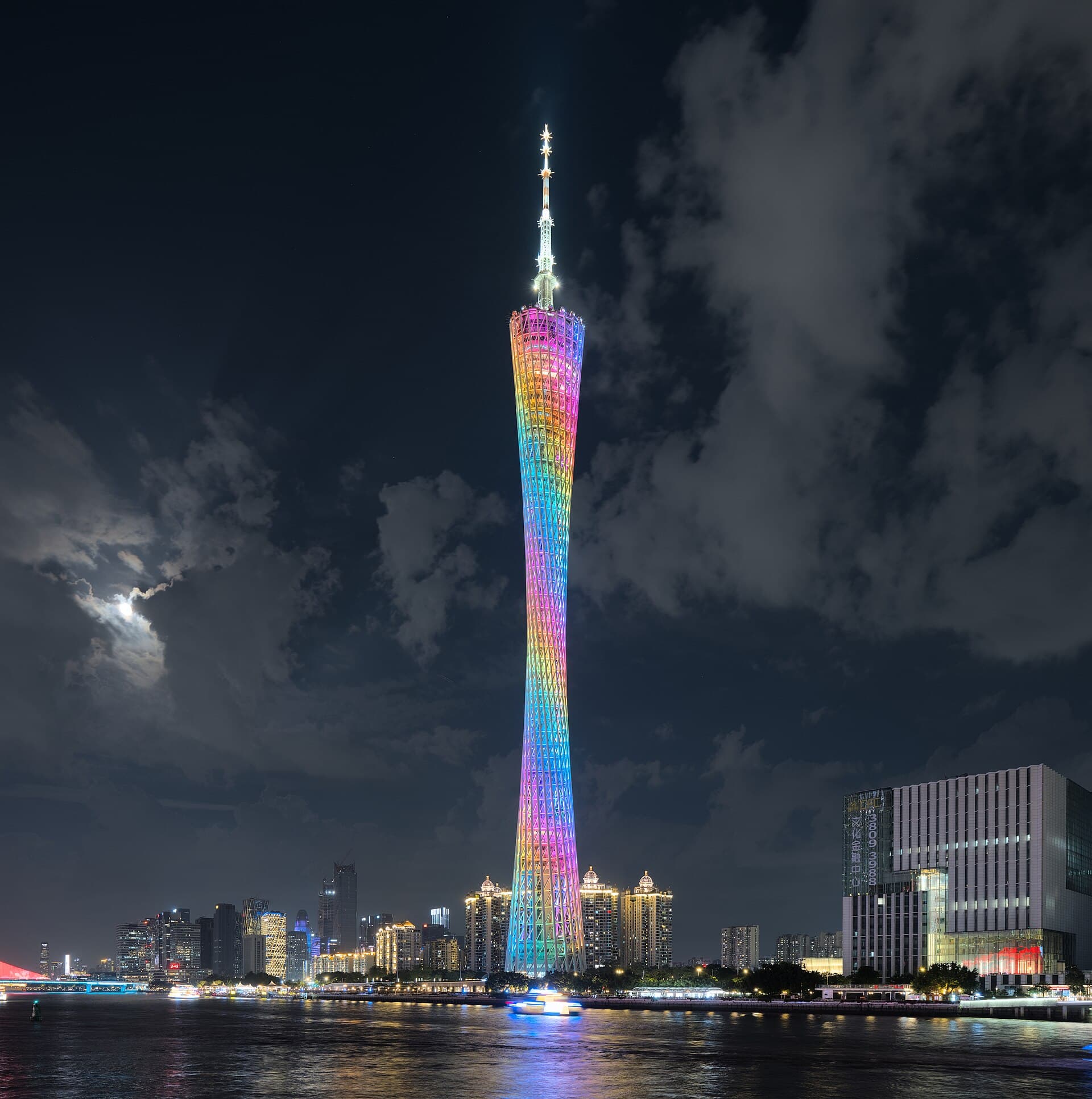
Canton Tower lit at night above Guangzhou

Real city reference

Guangzhou

Photo Daniel Lu (User:dllu) · CC BY-SA 4.0

Real situations

Guangzhou: what matters before you go

These cards turn source research into traveler-facing decisions: what to see, what to eat, and what the city will feel like on the ground.

Sight rhythm

Canton Tower, Pearl River, and Chen Clan Academy

Canton Tower is the skyline anchor, the Pearl River night route is the easiest evening payoff, and Chen Clan Academy is the strongest single cultural stop. Check official pages for current ticket details.

Sights

1.Sunset tower
2.River lights
3.Ancestral hall
4.Verify tickets

Food confidence

Start with morning tea, not a random restaurant list

Guangzhou food confidence should begin with dim sum and tea-house rhythm: lighter seasoning, freshness, shared plates, roast meats, congee, and QR/English-menu backups in larger venues.

Food

1.Morning tea
2.Roast meats
3.Congee backup
4.QR menus

City feel

A trade city used to foreign contact

Guangzhou is historically Canton: a southern port city shaped by trade, teahouses, foreign concessions, and Cantonese family food culture. Tianhe feels like a modern business district; Liwan, Yuexiu, Shamian, and Xiguan explain why the city feels older, more lived-in, and more internationally accustomed than many inland cities.

Feel

1.Canton history
2.Shamian Island
3.Xiguan teahouses
4.Canton Fair crowds

Official sources

Source anchors used for this city brief

These links show the source layer behind the city brief and where travelers should recheck live operator details before booking.

What to eat first

Build the first real meal around morning tea: shared dim sum, tea, roast meats, congee, and a slow start. For travelers nervous about ordering, larger venues and malls are safer first attempts because QR menus and photo menus are more likely.

What to see first

Use Canton Tower and the Pearl River as the easy visual payoff, then add Chen Clan Academy for decorative arts and southern architecture. Avoid writing hard ticket prices until official operator pages are verified.

How to frame the city

Guangzhou should not be sold as a simple landmark checklist. It is stronger as a Cantonese food, trade-history, river-night, and Greater Bay Area confidence city. Warn travelers about Canton Fair periods in April and October because hotels and transit pressure can change the whole trip.

At a glance

What this page helps you decide

The quick version first: what to understand, what to choose, and what still deserves a live check.

Read

Choose Guangzhou if morning tea, Cantonese food culture, the Pearl River, and a practical southern gateway matter more than checklist sightseeing.

Decide

Use Guangzhou as a food-first city with one skyline night and one heritage stop.

Check

Check Canton Tower and Chen Clan Academy official pages before booking timed or paid visits.

Before you act

Separate the decision from the live check.

This page can narrow the choice. Prices, tickets, app screens, and policy details still belong with the current official or operator source.

Decide here

Whether this place fits the role you need for the first trip.

Still verify

Exact attraction tickets, reservation windows, opening hours, weather, and transport changes.

Best use

Use this as a city-fit brief before you build the route.

City practical brief

What a visitor needs to know in Guangzhou

The city brief starts with the ordinary things that shape the stay: food, arrival movement, and where to find help.

Food comfort

Eat with less guesswork

Dim Sum (点心)White Cut Chicken (白切鸡)Wonton Noodles (云吞面)Roasted Suckling Pig (烧乳猪)

Guangzhou is famous for yum cha (饮茶) — leisurely morning tea with dim sum, especially on weekends. Locals spend 1-2 hours at restaurants ordering multiple small dishes. Common breakfast also includes congee, rice noodle rolls, and wonton noodles.

Dietary move: Cantonese cuisine uses seafood, soy sauce, and oyster sauce frequently. Check ingredients carefully.

Open food source

Arrival movement

Solve the first transfer

Metro / Airport Express (CAN)

Use the official metro or airport page for current ticket, route, and payment details before choosing the first transfer.

Help and safety

Save the fallback layer

Police

110

Ambulance

120

Fire

119

Keep embassy contacts; consular services may be in Guangzhou or nearby cities.

Open support source

City experience brief

What Guangzhou feels like after the logistics are solved

After the basics, the useful question is not only what to see, but what the city feels like and which places deserve a real check before you spend the day.

Human environment

Read the city before you plan the day

Trade city with deep Cantonese culture. Guangzhou feels more relaxed and business-focused than Beijing or Shanghai. As China's oldest trading port and home of the Canton Fair, the city has a long history of international commerce. The local culture is distinctly Cantonese — dim sum culture, martial arts heritage (Bruce Lee, Ip Man, Wong Fei-hung), and a strong emphasis on food and family. The city is less touristy and more authentic in its daily rhythms.

Good first areas

  • Yuexiu district — historic center, Chen Clan Ancestral Hall, local atmosphere
  • Tianhe district — modern CBD, Canton Tower, shopping
  • Liwan district — old Cantonese culture, morning tea restaurants
  • Yongqing Fang — revitalized hutong area, cultural attractions

Etiquette cue

Cantonese culture values food and conversation. Morning tea (yum cha) is a social ritual — arrive around 11 AM to combine with lunch. Tipping is not expected. Business culture is pragmatic and relationship-based. Public behavior is generally relaxed. When visiting temples or ancestral halls, dress modestly. The city has a large Muslim community; halal restaurants are available in certain districts.

Open cited source

Crowd and safety rhythm

Guangzhou is generally safe with moderate tourist crowds. The Canton Fair periods (April and October) bring massive crowds and higher hotel prices. The city has a large migrant population; standard precautions against pickpocketing apply in busy areas. Metro system is efficient and well-signaged. Summer (June-September) is hot and humid with heavy rain; October-April is most pleasant.

Chen Clan Ancestral HallCanton TowerBruce Lee Ancestral HomeSacred Heart Cathedral

Best option

Use Guangzhou as a food-first city with one skyline night and one heritage stop.

Backup option

Check Canton Tower and Chen Clan Academy official pages before booking timed or paid visits.

Good for

  • Food-led travelers who want dim sum and Cantonese dining confidence
  • Visitors entering South China or combining with Hong Kong/Shenzhen
  • Travelers who want a real working city, not a museum-only stop

Watch out for

  • Assuming every official English page is easy to access or current
  • Relying on one attraction guide for exact prices
  • Underestimating how much of the best experience happens at meal times

Action checklist

  • Plan one morning tea meal before planning another landmark.
  • Pair Canton Tower with a Pearl River night route if weather is clear.
  • Check official ticket pages before committing to paid sights.

Continue

Leave with one next page, not five open tabs.

If this page answered the question, continue to the closest related step. If it did not, search for the exact issue rather than browsing sideways.

Next move

Leave each page knowing what to do next.

Read enough to make the decision smaller, then open the checklist, search a specific question, choose a setup tool, or share the page with the person planning with you.

Official sources for rules, fares, payments, safety, and device setup.
Written around the day-one jobs: pay, connect, move, eat, get help.
Recommendations stay attached to a traveler task.

I need the next step

Use the checklist when the question has shifted from research to preparation.

Open checklist

I know the problem

Search by the actual problem: Alipay, eSIM, transit visa, first transfer, vegetarian food, or a city name.

Search the site

I am ready to choose

Open recommendations when the task is clear enough for a short list to be useful.

See recommendations