Travel notes

Common first-time mistakes

The assumptions that make China trips harder: payment guesses, too many cities, weak phone prep, and vague first-day plans.

Quick answer

What mistakes should first-time China visitors prevent before departure?

Prevent the mistakes that create pressure on day one: unclear entry eligibility, untested payment, weak phone data, overpacked routes, vague airport transfers, no first meal plan, and no offline support path.

Run the checklist

Applies to

First-time China travelers, families, long-haul arrivals, and visitors building a route from social inspiration before the practical arrival setup is stable.

Check boundary

This page identifies preventable planning risks. It does not replace official entry checks, live fare or ticket verification, health advice, bank/card rules, or emergency instructions.

Mistake prevention answers

Fix the questions that usually cause the mistake

These answer pages turn common first-trip mistakes into direct recovery paths before the traveler reaches the airport, restaurant, hotel, or train station.

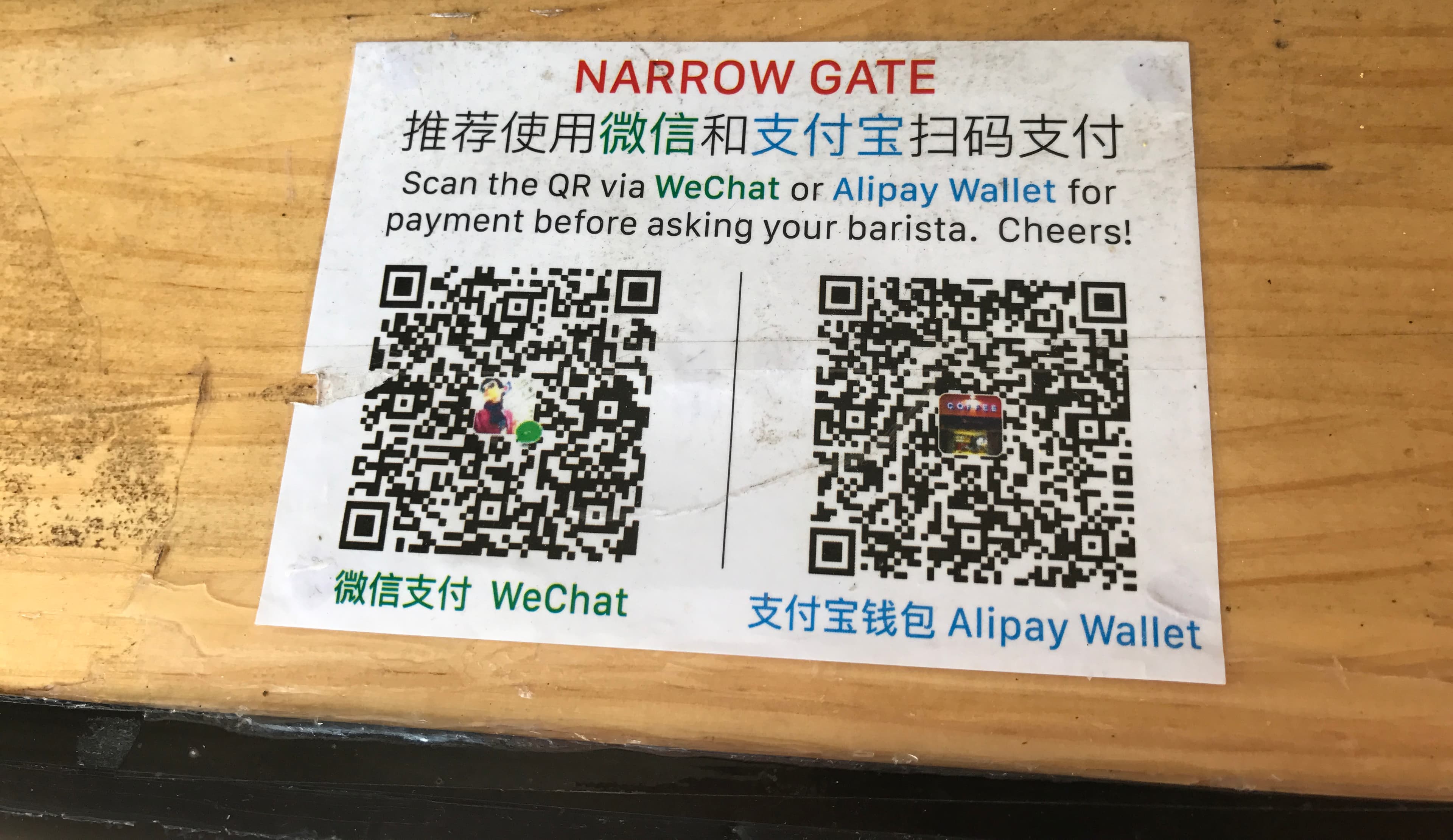
Predeparture checklist used to avoid common China trip mistakes

Prevent the predictable

Most first-trip problems are easier to prevent than repair

Use this as a practical pre-departure review: catch the patterns that usually create stress, then open the exact page that fixes each one.

Do not add cities before the first base is stable.
Do not leave wallet and data setup for the arrival hall.
Do not make day one carry the whole trip's ambition.
Do not use inspiration content without entry and transport checks.

Avoidable mistakes

The goal is to prevent the mistakes that waste the first day

This page turns repeated first-time traveler mistakes into one practical checklist so users can avoid the problems before they happen.

Choosing too many cities too early

Most first trips get worse when the traveler tries to optimize variety before stabilizing payments, data, and route confidence.

Treating wallet setup as something to fix on arrival

The first live payment feels much harder when the traveler has never opened the wallet flow before getting to the counter.

Overestimating how much can fit into day one

Arrival, hotel check-in, getting online, and making the first payment are already enough work for most first days.

Using inspiration content without reality checks

A practical site should separate route inspiration from entry rules, transfer logic, and the real difficulty of movement.

Prevention flow

Most first-time mistakes can be prevented earlier than people think

The point is to catch the pattern at the right moment: before booking, before departure, or right after landing.

Before booking

Avoid overbuilding the route

Most first-time mistakes begin with trying to fit too many cities and too much movement into one trip.

Before departure

Do not leave the basics unresolved

Payments, data, document access, and hotel details should already feel clear before travel day starts.

After landing

Protect energy instead of forcing momentum

A calmer first day usually prevents the chain reaction that turns a small problem into a bad travel experience.

Fix the pattern

Each common mistake points to the page that fixes it

A usable site does not only warn people. It sends them to the exact guide that removes the problem.

Fix payment confusion before you fly

The fastest way to avoid early payment stress is to rehearse one wallet flow and keep one fallback method ready.

Open fix

Keep day one much lighter than your ambition

Arrival, hotel check-in, data, and the first payment already create enough work for most first days.

Open fix

Use route simplicity as a safety feature

Many mistakes disappear when the itinerary is shorter, calmer, and built around one strong base first.

Open fix

Choose a city that matches your appetite for complexity

Picking the wrong first city creates avoidable stress that no beautiful photo can hide.

Open fix

What mistakes really look like

These are not abstract errors. They happen in motion, in queues, and under pressure

The visual layer keeps the mistakes section connected to the actual moments where first-time travelers lose clarity.

Predeparture checklist used to avoid first-day mistakes

The worst first-day mistakes happen in motion

Travelers make bad choices when they are tired, standing in line, or trying to decode too much at once. That is why setup should happen earlier.

Open related page
Shanghai metro interior used to represent transit complexity

Station complexity becomes harder when the route is too ambitious

A fragile itinerary turns every transfer, sign, and timetable into a bigger stress test than it needs to be.

Open related page
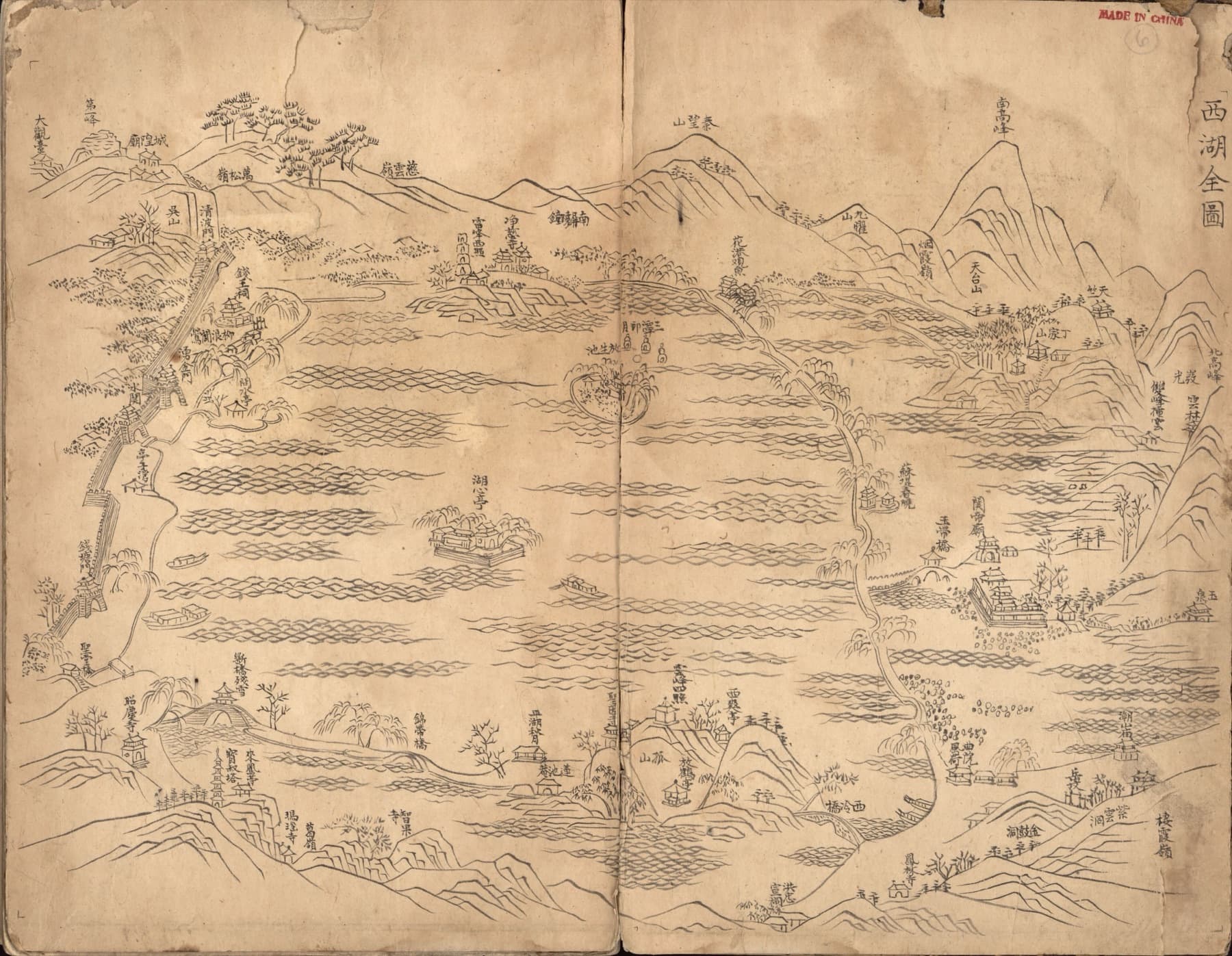
Hangzhou West Lake representing a calmer first base

City choice can prevent a lot of avoidable stress

An easier first city often fixes mistakes before they happen by making the first day more forgiving.

Open related page

Trust layer

Mistake prevention is grounded in sources, not vibes

The mistakes page routes travelers toward official or operator-backed pages when a mistake could affect entry, health, payment, transport, or money.

CDC Travelers' Health

Reviewed Apr 2026

China traveler health guidance

Used for health, medicine, allergy, and food-safety boundaries where casual travel advice would be too weak.

Open official source

People's Bank of China

Reviewed Apr 2026

Guide to Payment Services in China

Used for payment claims that affect day-one spending, card fallback, cash fallback, and visitor payment confidence.

Open official source

Apple Support

Reviewed Apr 2026

Apple eSIM setup support

Used for device-level eSIM setup and compatibility boundaries before recommending a China data path.

Open official source

Reset the plan

Use this page as a pre-departure reset, then fix the weak spots.

The safest next step is to turn each warning into a concrete action: checklist, payment setup, arrival basics, and a route that does not overload the first day.

Airport and metro signage used to prevent first-arrival mistakes

Next move

Leave each page knowing what to do next.

Read enough to make the decision smaller, then open the checklist, search a specific question, choose a setup tool, or share the page with the person planning with you.

Official sources for rules, fares, payments, safety, and device setup.
Written around the day-one jobs: pay, connect, move, eat, get help.
Recommendations stay attached to a traveler task.

I need the next step

Use the checklist when the question has shifted from research to preparation.

Open checklist

I know the problem

Search by the actual problem: Alipay, eSIM, transit visa, first transfer, vegetarian food, or a city name.

Search the site

I am ready to choose

Open recommendations when the task is clear enough for a short list to be useful.

See recommendations