Sight order
Gardens first, canal streets second
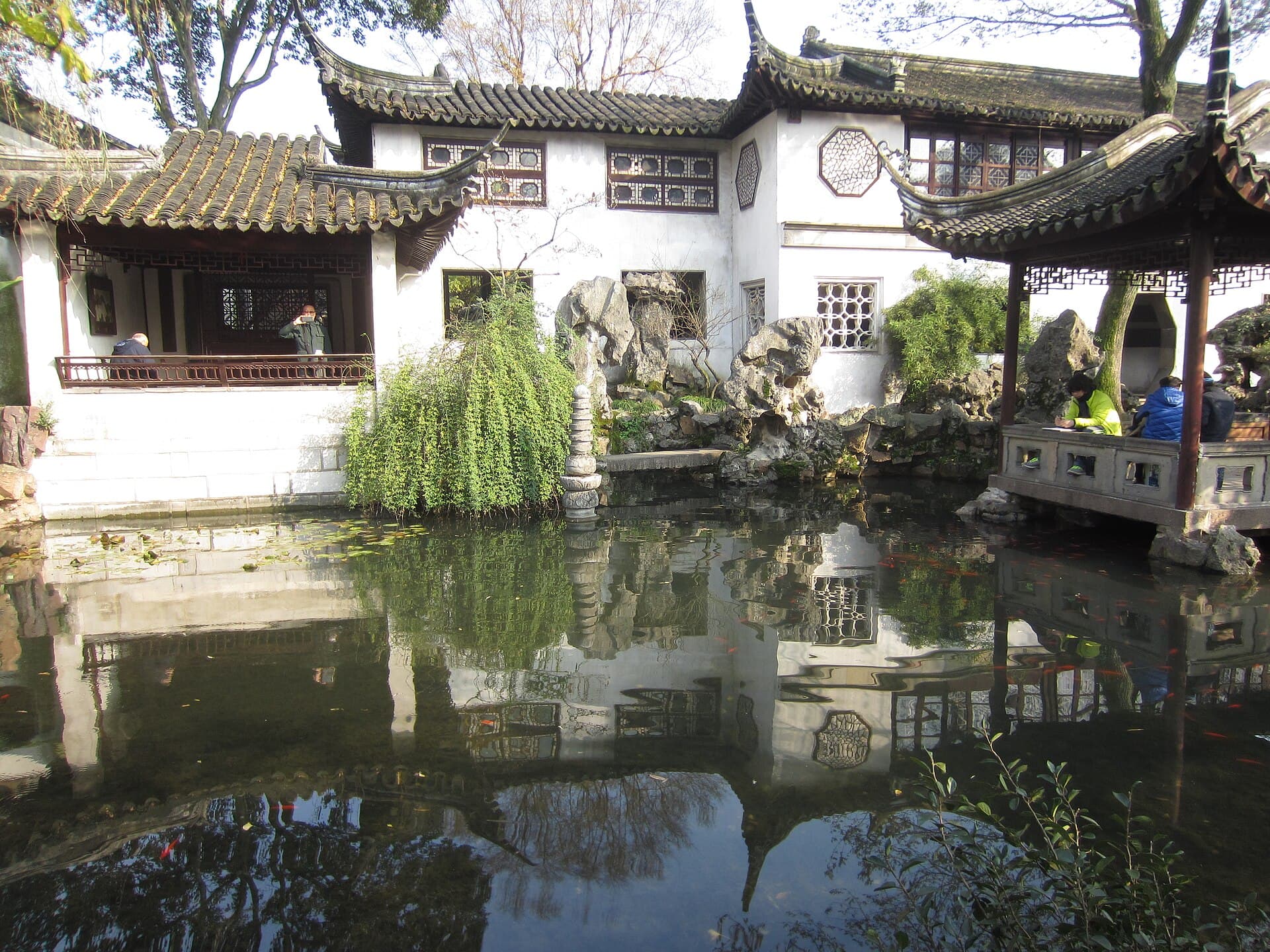
Use Humble Administrator's Garden as the main anchor, then add Tiger Hill, Pingjiang Road, Shantang Street, Suzhou Museum, or a water town depending on energy.
Sights
China Travel Guide
TravelerLocal
Practical city brief
Suzhou is the calm East China add-on for gardens, canals, silk, sweet Jiangnan food, and a softer side trip from Shanghai.
Choose Suzhou when you want heritage and beauty without adding a difficult second-city itinerary.
Quick answer
Pair one major garden with one canal street and one slow meal.
Use this page when
Shanghai-based travelers who want a manageable heritage day
Share this page
Send this guide to a travel partner, family member, or yourself before departure.

Real city reference
Photo Another Believer · CC BY-SA 4.0
Real situations
These cards turn source research into traveler-facing decisions: what to see, what to eat, and what the city will feel like on the ground.
Sight order
Use Humble Administrator's Garden as the main anchor, then add Tiger Hill, Pingjiang Road, Shantang Street, Suzhou Museum, or a water town depending on energy.
Sights
Food confidence
Suzhou food is reassuring for spice-cautious travelers: sweet-and-sour Mandarin fish, Su-style noodles, freshwater fish, shrimp, seasonal crab, and teahouses with Pingtan performances.
Food
City feel
Suzhou is slower than Shanghai, but not empty or sleepy. Its cultural identity is built around UNESCO classical gardens, 2,000 years of silk production, Su embroidery, canal streets, and Pingtan storytelling in teahouses along Pingjiang Road.
Feel
Official sources
These links show the source layer behind the city brief and where travelers should recheck live operator details before booking.
Suzhou Municipal Government · Official city portal
Official English portal used as a source anchor for city-level information.
China Highlights · Secondary attraction guide
Secondary attraction source for garden sequencing and practical visitor notes; use operator pages for current ticket rules.
Start with one major garden instead of collecting five. Humble Administrator's Garden gives the strongest first impression; Pingjiang Road or Shantang Street then turns the day from sightseeing into atmosphere.
Recommend Su-style noodles, sweet-and-sour Mandarin fish, freshwater fish, shrimp, and seasonal crab. This is one of the safer cities for travelers who are nervous about spice.
Suzhou is a confidence-building heritage stop near Shanghai. It should feel calm, beautiful, and understandable, but the page should still explain the cultural layer: gardens, silk, embroidery, teahouses, and canal life are the reason to slow down.
At a glance
The quick version first: what to understand, what to choose, and what still deserves a live check.
Read
Decide
Check
Before you act
This page can narrow the choice. Prices, tickets, app screens, and policy details still belong with the current official or operator source.
Decide here
Whether this place fits the role you need for the first trip.
Still verify
Exact attraction tickets, reservation windows, opening hours, weather, and transport changes.
Best use
Use this as a city-fit brief before you build the route.
City practical brief
The city brief starts with the ordinary things that shape the stay: food, arrival movement, and where to find help.
Food comfort
Suzhou breakfast features Su-style noodles (清汤面) with various toppings, sweet rice balls (汤圆), and steamed buns. The city follows seasonal eating — different noodles available in different seasons.
Dietary move: Suzhou cuisine uses freshwater fish, shrimp, and seasonal vegetables. Sweet flavor comes from sugar — inform if avoiding sugar.
Open food sourceArrival movement
Nearest major airports (SHA/PVG)
Use the official metro or airport page for current ticket, route, and payment details before choosing the first transfer.
Help and safety
Police
110
Ambulance
120
Fire
119
Nearest consulates often in Shanghai; keep contacts.
Open support sourceCity experience brief
After the basics, the useful question is not only what to see, but what the city feels like and which places deserve a real check before you spend the day.
Human environment
Classical garden city with water town charm. Suzhou feels refined, tranquil, and culturally sophisticated. Known as the 'Oriental Venice' for its canals and bridges, Suzhou has been a center of Chinese arts, scholarship, and craftsmanship for over 2,500 years. The city is famous for its classical gardens (9 UNESCO World Heritage sites), water towns, and Kun Opera. Suzhou balances ancient heritage with modern prosperity — it's one of China's wealthiest cities while maintaining its traditional character.
Good first areas
Etiquette cue
Suzhou culture values refinement and aesthetics. Garden visiting is a contemplative activity — walk slowly, appreciate details, and speak quietly. Tipping is not expected. Kun Opera performances require quiet attention; arrive early and silence phones. The city has a reputation for being more cultured and refined than many Chinese cities. When visiting water towns, respect local residents' privacy — these are living communities, not just tourist attractions.
Crowd and safety rhythm
Suzhou is very safe with moderate tourist crowds. The city has become a popular weekend destination for Shanghai residents, so weekends and holidays can be crowded at major gardens and water towns. Visit on weekdays for a quieter experience. Spring (March-May) and autumn (September-November) are the best times to visit. The city is well-connected to Shanghai by high-speed rail (25 minutes). 10-day visa-free transit is available for qualifying travelers.
Best option
Backup option
Good for
Watch out for
Action checklist
Next steps
Choose one related page instead of opening another broad search session.
Continue
If this page answered the question, continue to the closest related step. If it did not, search for the exact issue rather than browsing sideways.
Next move
Read enough to make the decision smaller, then open the checklist, search a specific question, choose a setup tool, or share the page with the person planning with you.
Use the checklist when the question has shifted from research to preparation.
Search by the actual problem: Alipay, eSIM, transit visa, first transfer, vegetarian food, or a city name.
Open recommendations when the task is clear enough for a short list to be useful.