I want the least stressful first China trip
Shanghai
The airport, metro, hotel, food, and English-language checks are easier to operate for first-time visitors.
Open cityBrowse after prep
Compare first bases, food cities, heritage stops, scenery routes, and side trips with the practical details still in view.
Start here
Start with the arrival, the pace you want, and the city's job in the trip. The famous-name list can come later.
City matcher
Translate the traveler's situation into a useful first click instead of asking them to decode China from a grid of names.
I want the least stressful first China trip
The airport, metro, hotel, food, and English-language checks are easier to operate for first-time visitors.
Open cityI want the trip to feel unmistakably China
The Great Wall, imperial sights, museums, and capital scale deliver the classic first-trip payoff.
Open cityI care most about food and a softer rhythm
Pandas, teahouses, hotpot, parks, and slower mornings make it feel less like a checklist trip.
Open cityI want a bridge before mainland China
Hong Kong gives an easier runway, while Shenzhen adds contemporary mainland China with short transfers.
Open cityI want beauty and calm near a major gateway
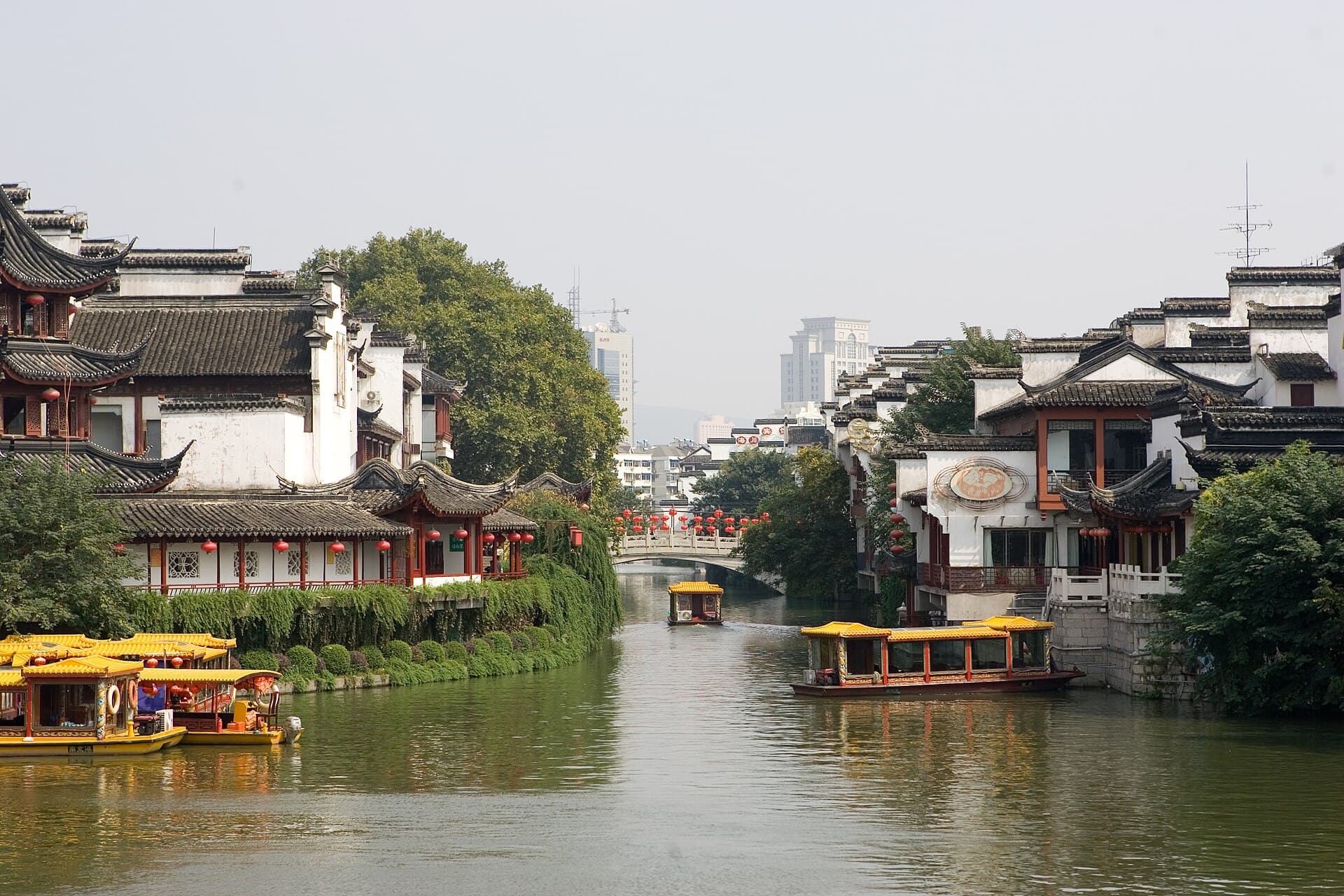
Both work as softer East China add-ons after Shanghai, with gardens, lakes, tea, canals, and short rail hops.
Open cityI want the route to be about scenery
Use these after the basics are stable; they reward slower movement and better weather/transfer planning.
Open cityTrip style
Choose by trip style, comfort level, and first-city role instead of browsing city cards at random.
The best first city if you want easy transport, international familiarity, and a low-stress landing.
Best option
Choose this if you want the least intimidating first stop.
Backup option
Skip extra cities until you know how your payment and connectivity setup feels.
The best first city if your trip needs major sights, history, and a stronger sense of classic China.
Best option
Choose this if iconic landmarks matter more than ease.
Backup option
Budget more energy for bigger distances and busier sightseeing days.
The best first city if you want comfort, food, and a gentler pace.
Best option
Choose this if you want daily life and food to lead the trip.
Backup option
Treat major landmark expectations as secondary to atmosphere.
The best fit if you want scenery and smaller-scale travel instead of a single giant city.
Best option
Choose this if landscapes and slower exploration matter most.
Backup option
Plan logistics carefully because this is less plug-and-play than Shanghai.
Explorer
Use this layer when the traveler already knows they want more than a single default answer.
Explorer status
22
matching city guides for query all and filter All.
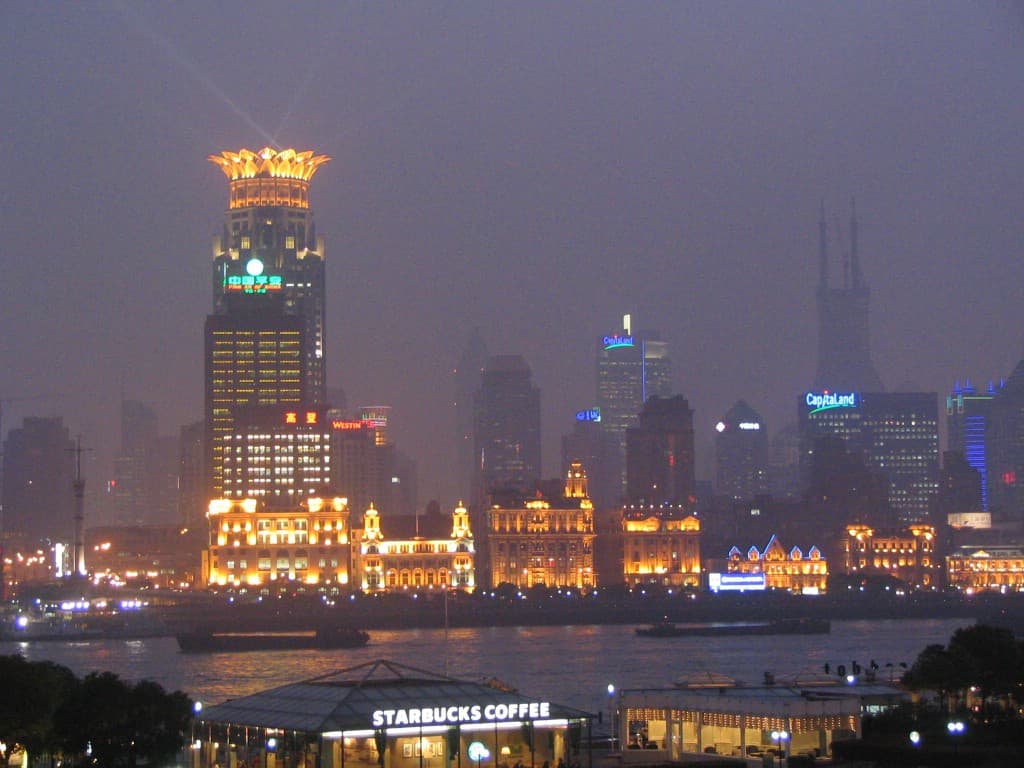
East China
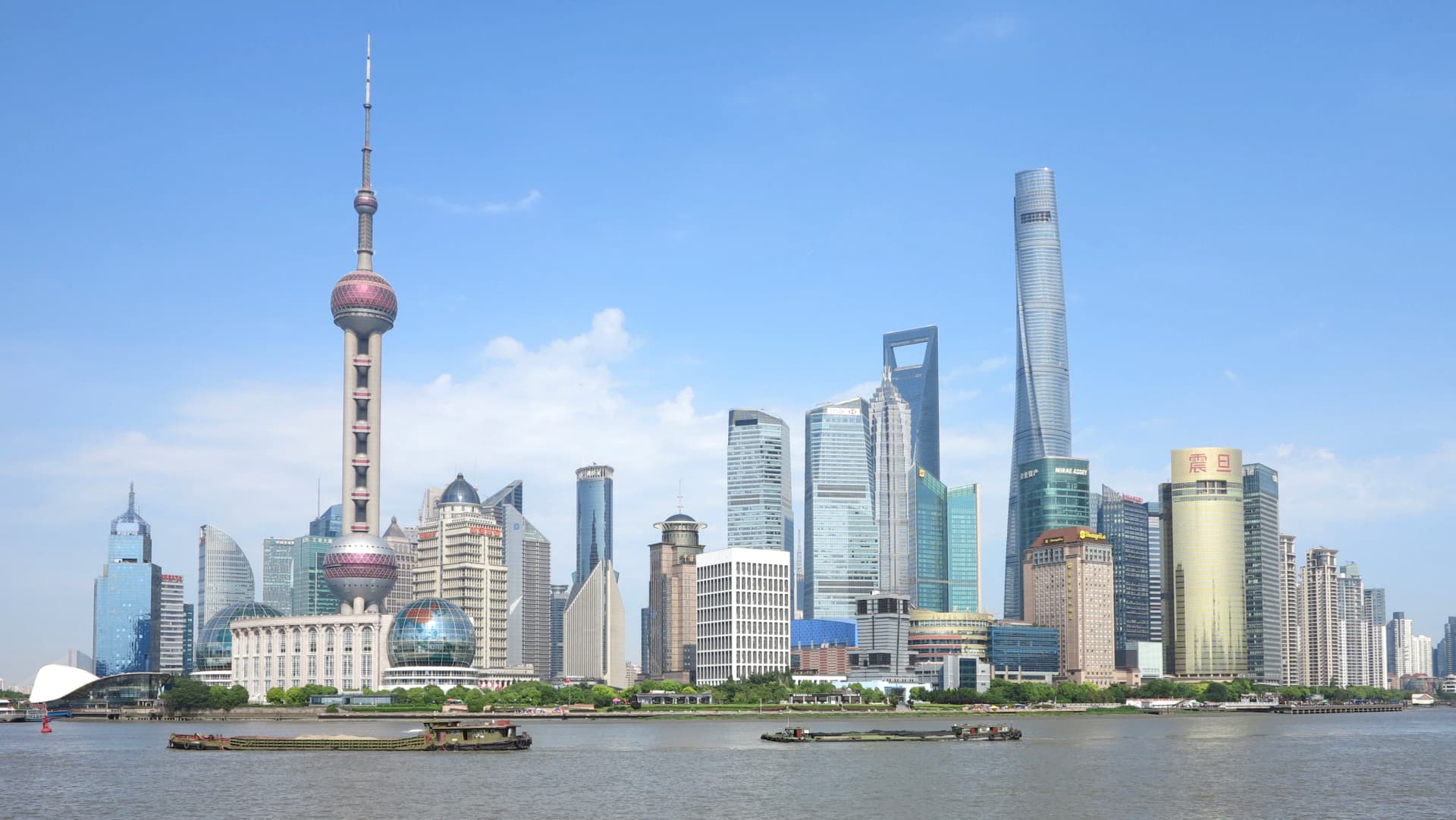
The easiest first stop for many travelers, with a smooth mix of modern China and walkable neighborhoods.
Best for
First-time visitors who want the easiest landing.

North China
History, landmarks, and a stronger sense of scale if you want your first trip to feel iconic.
Best for
Travelers who want history and major sights first.
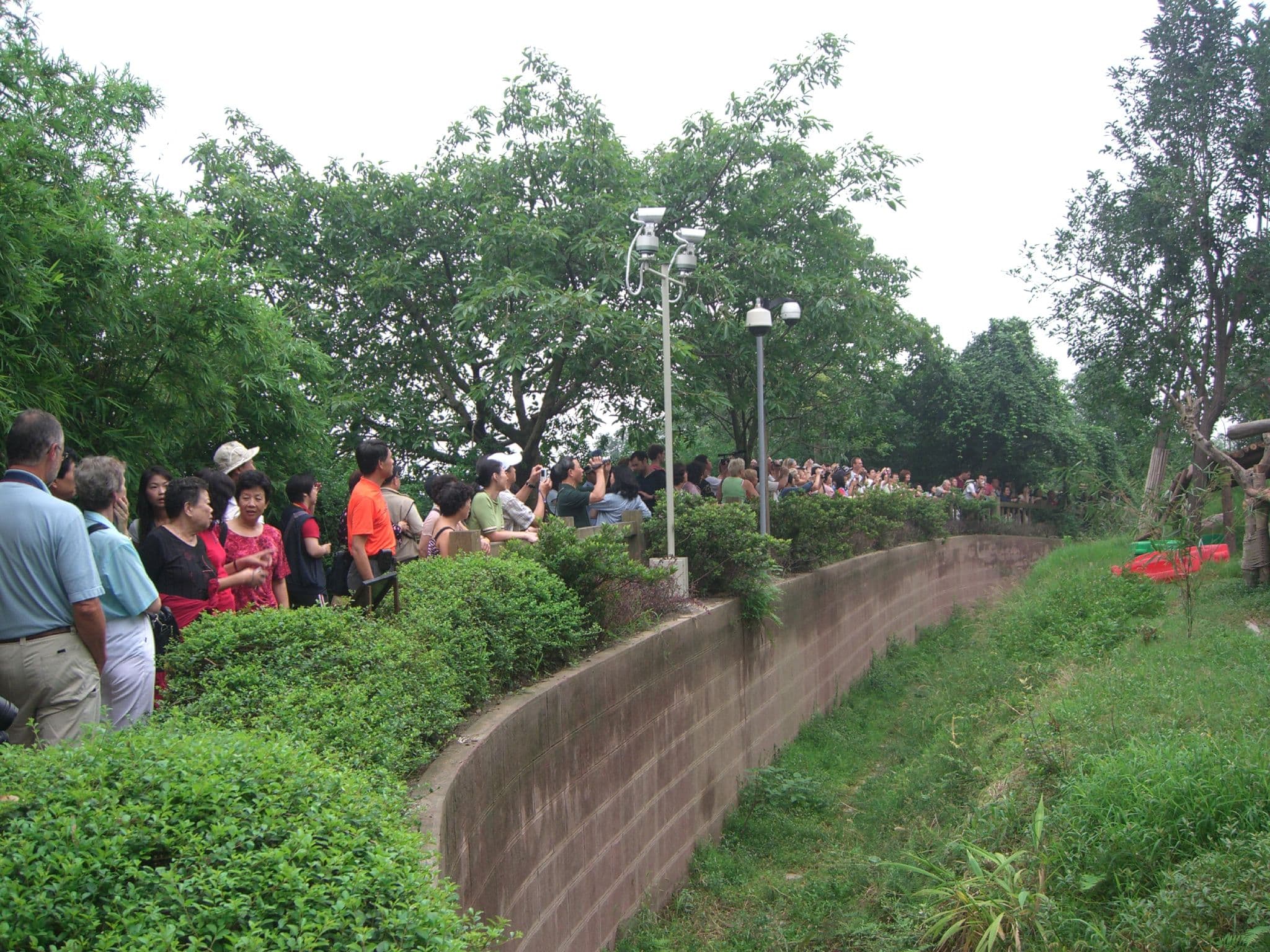
Southwest China
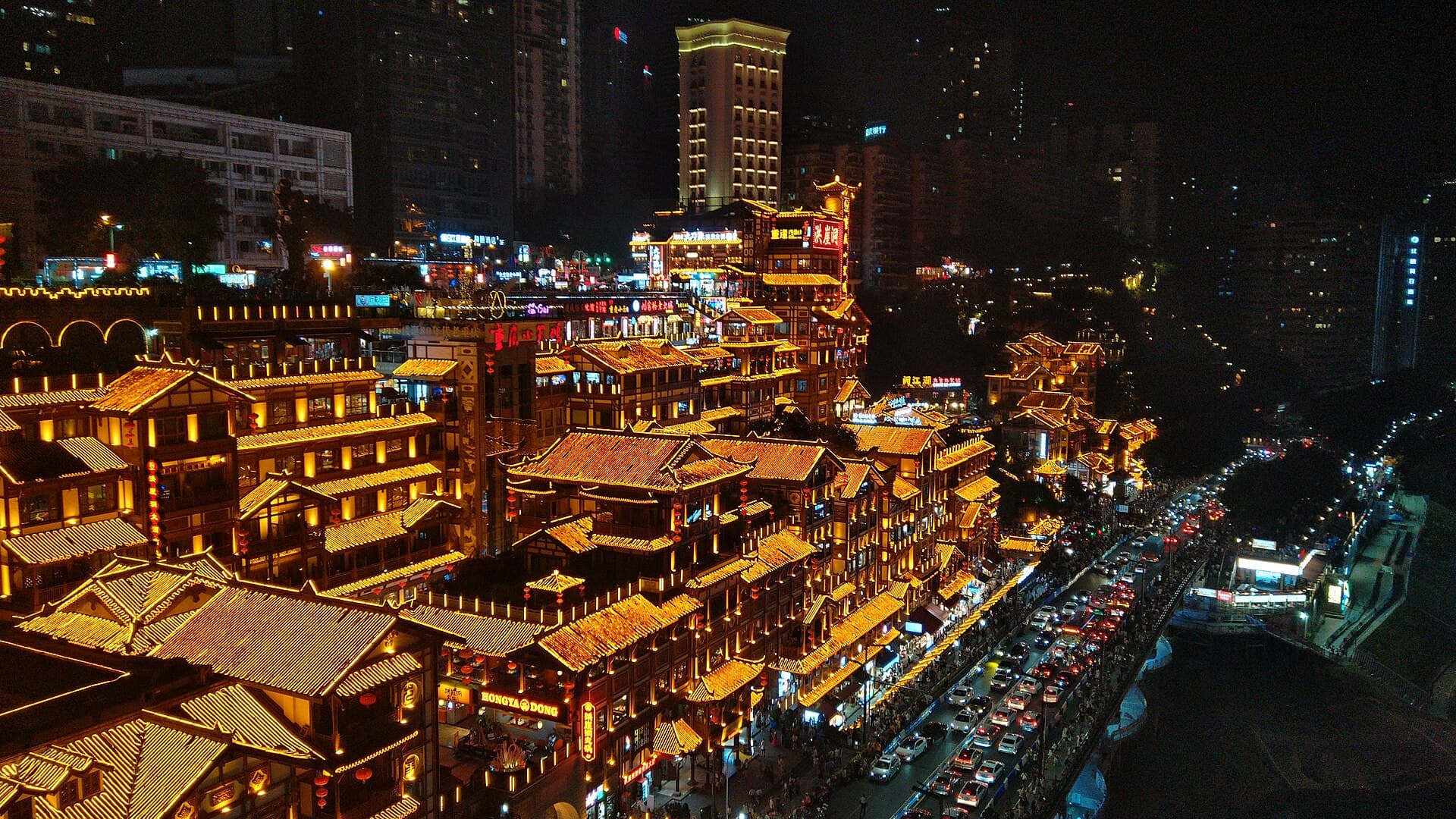
A softer landing for travelers who care about food, slower pacing, and everyday livability.
Best for
Food-led, lower-pressure first trips.

Southwest China
A broader region for travelers who want scenery, smaller towns, and a less urban introduction.
Best for
Travelers who prefer scenery over one big city.
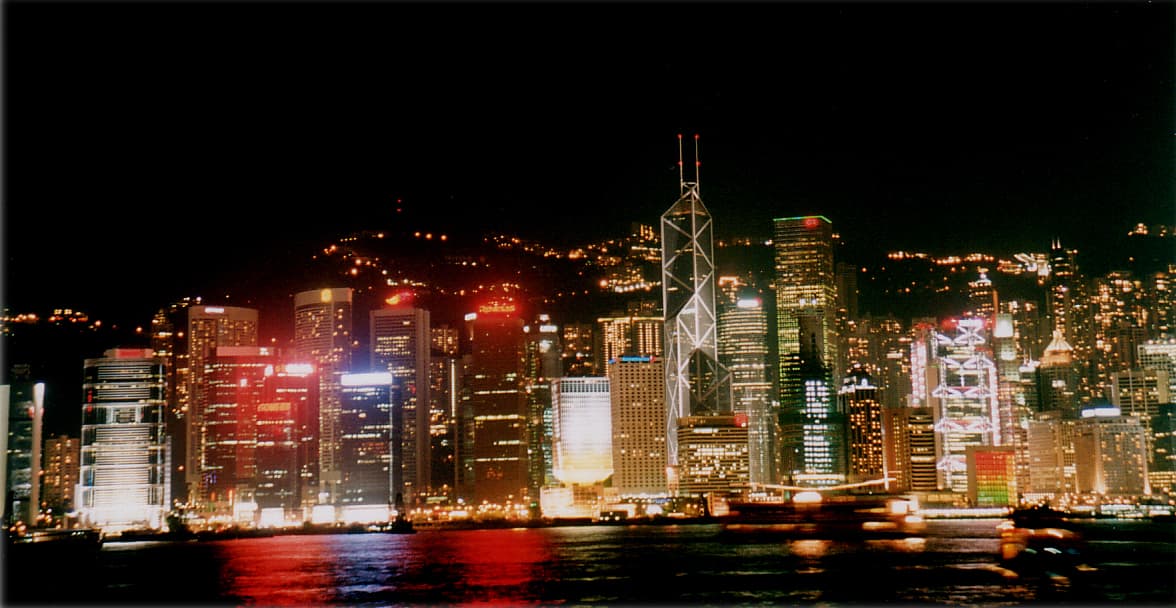
South China
A strong first stop if you want familiar infrastructure, dense urban energy, and a softer transition into greater China travel.
Best for
Travelers who want a highly legible first base.
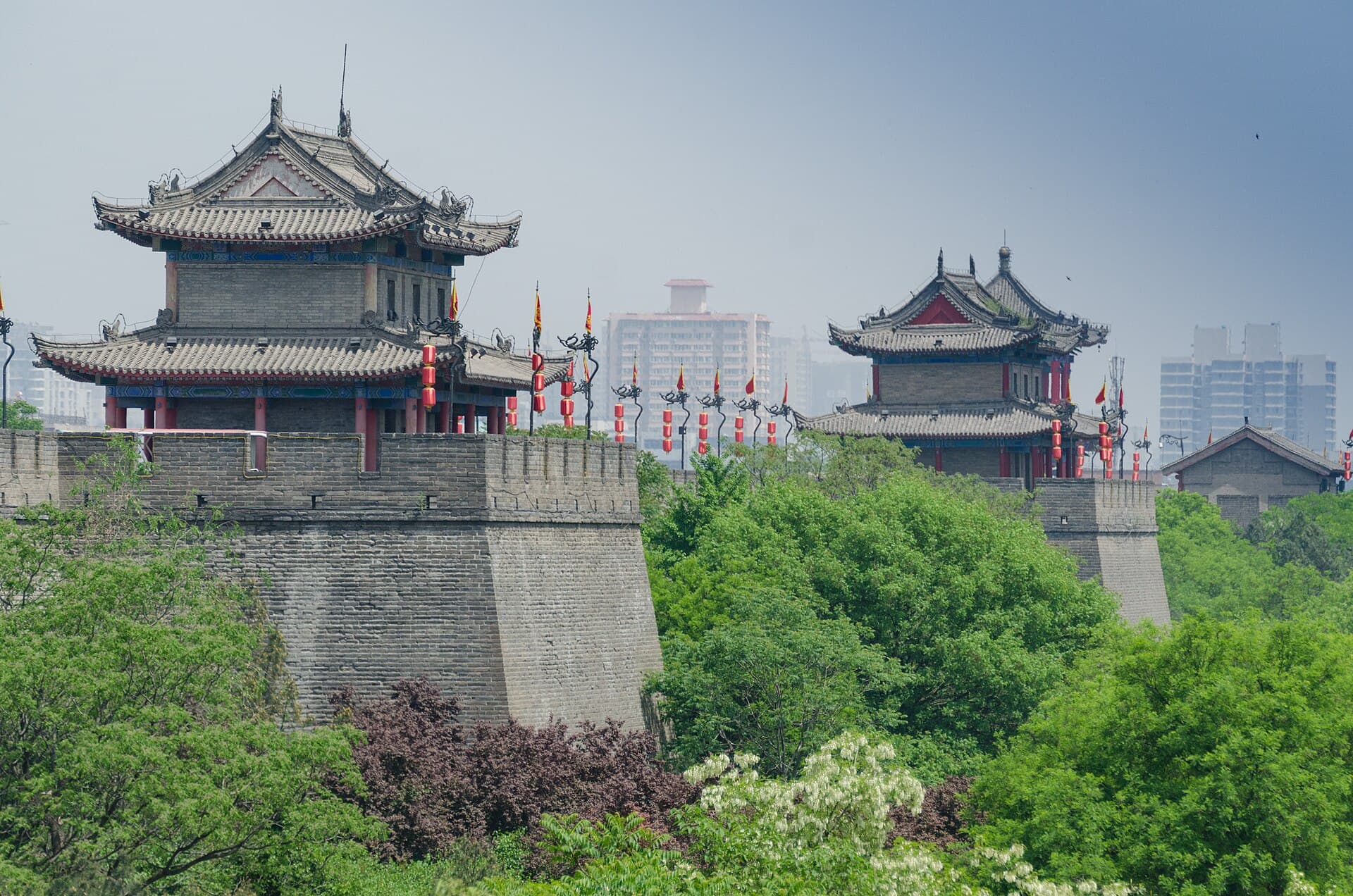
Northwest China
A better fit when you want deep history and iconic heritage without the same scale and pace pressure as Beijing.
Best for
Travelers who want heritage with a slightly tighter footprint.
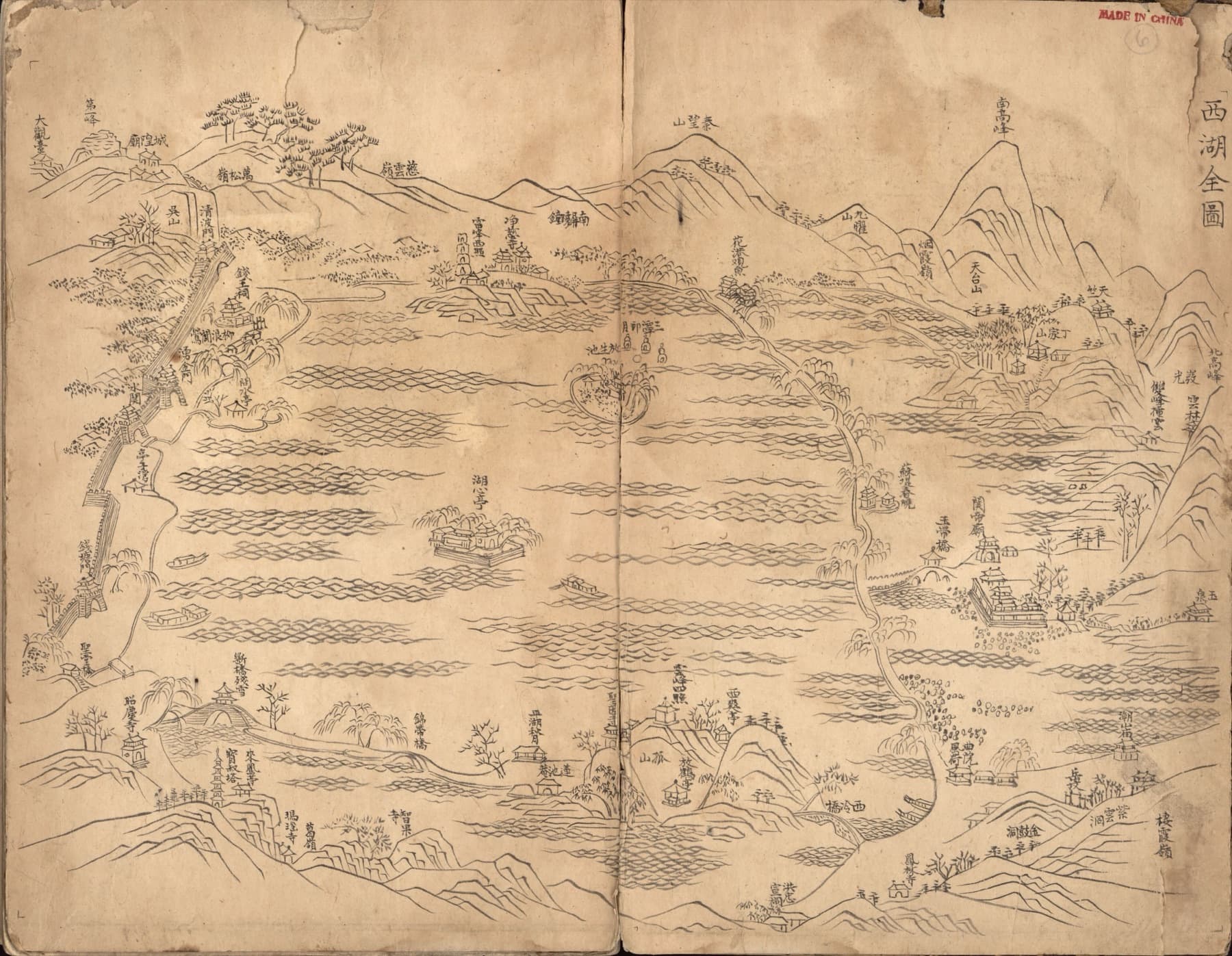
East China
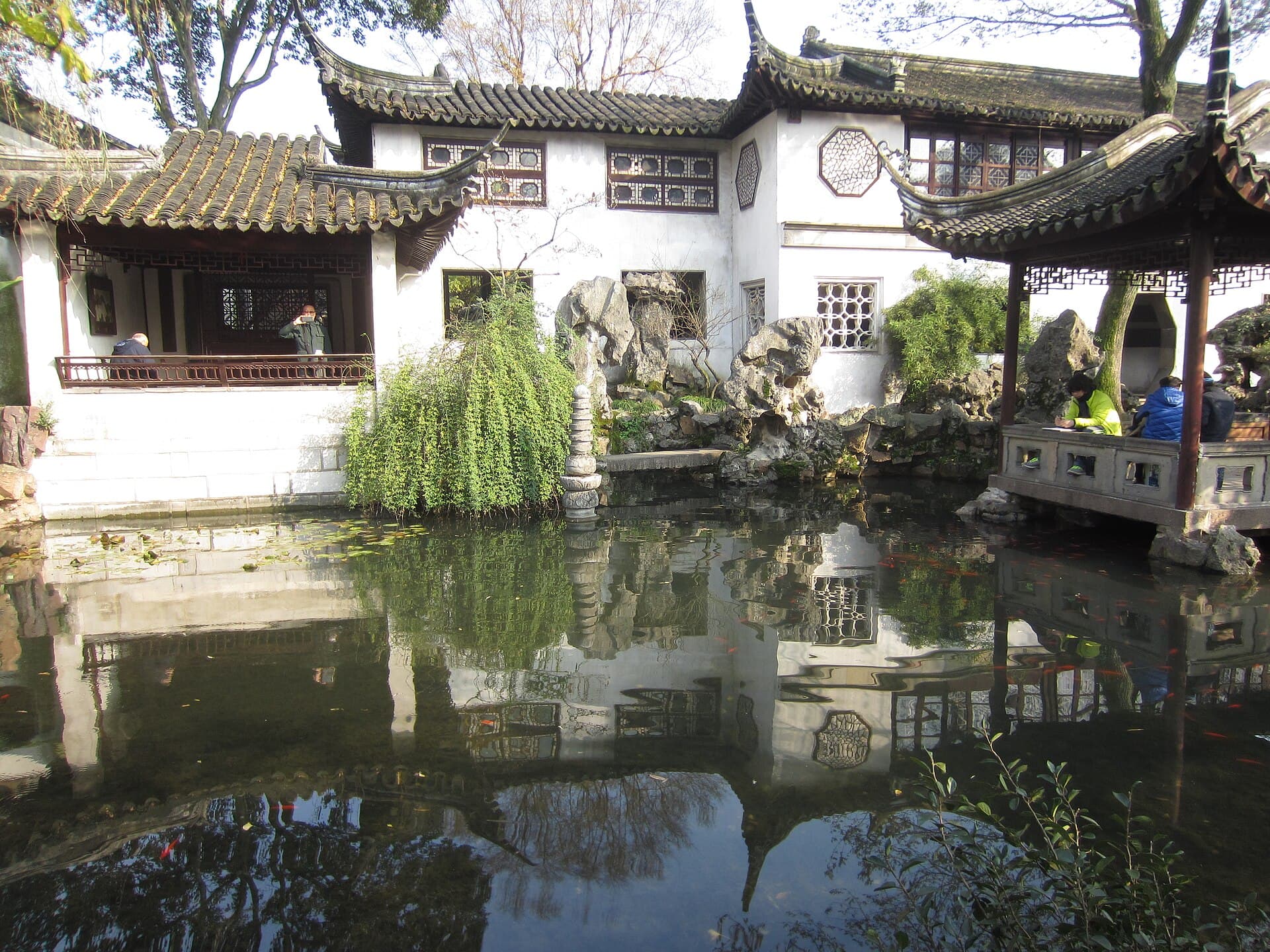
A calm, polished first stop for travelers who want scenery, tea culture, and an easier pace near Shanghai.
Best for
Travelers who want beauty and ease over intensity.
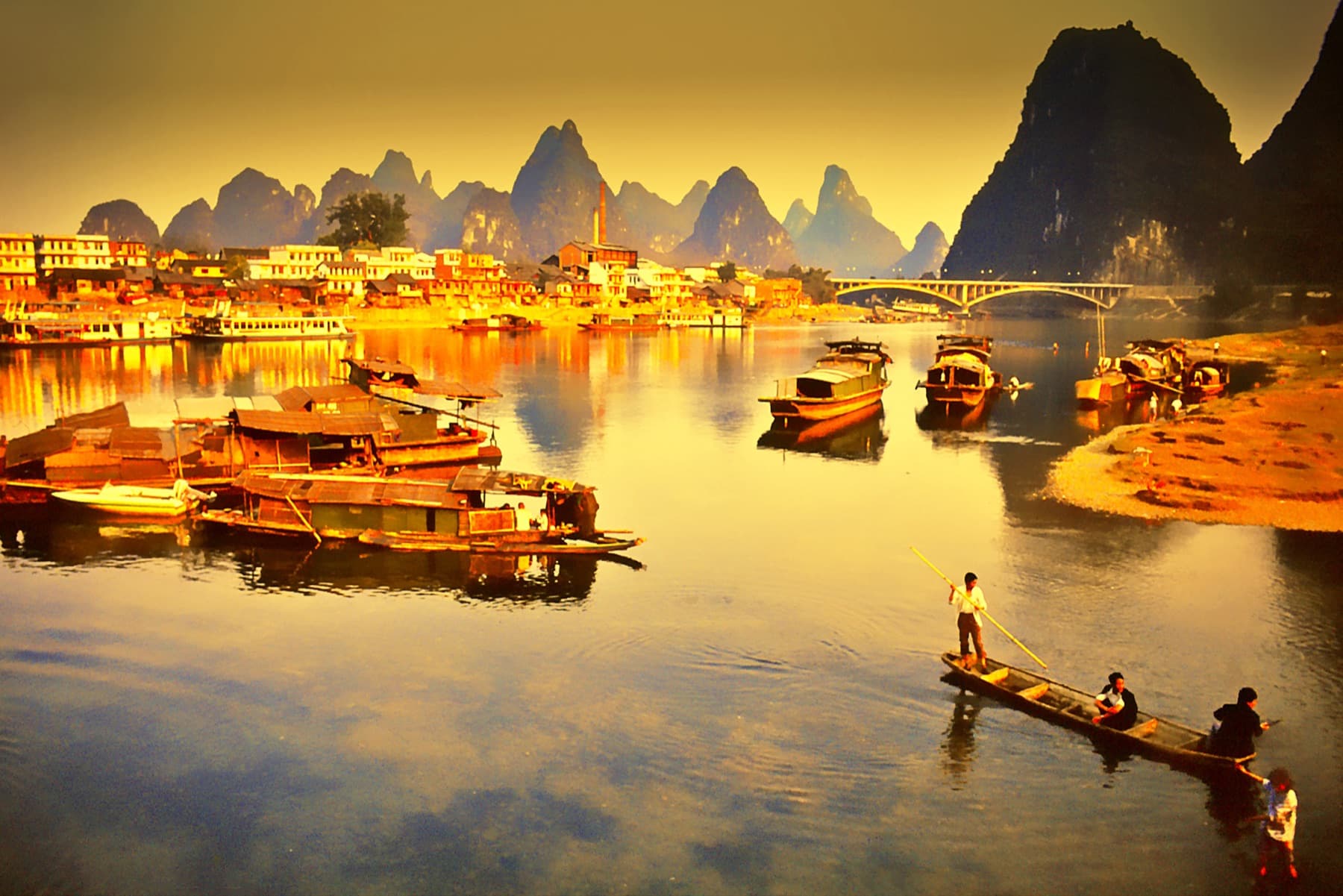
South China
A strong fit when dramatic landscapes are the real goal and you are comfortable planning around movement and scenery.
Best for
Travelers who want nature to lead the trip.
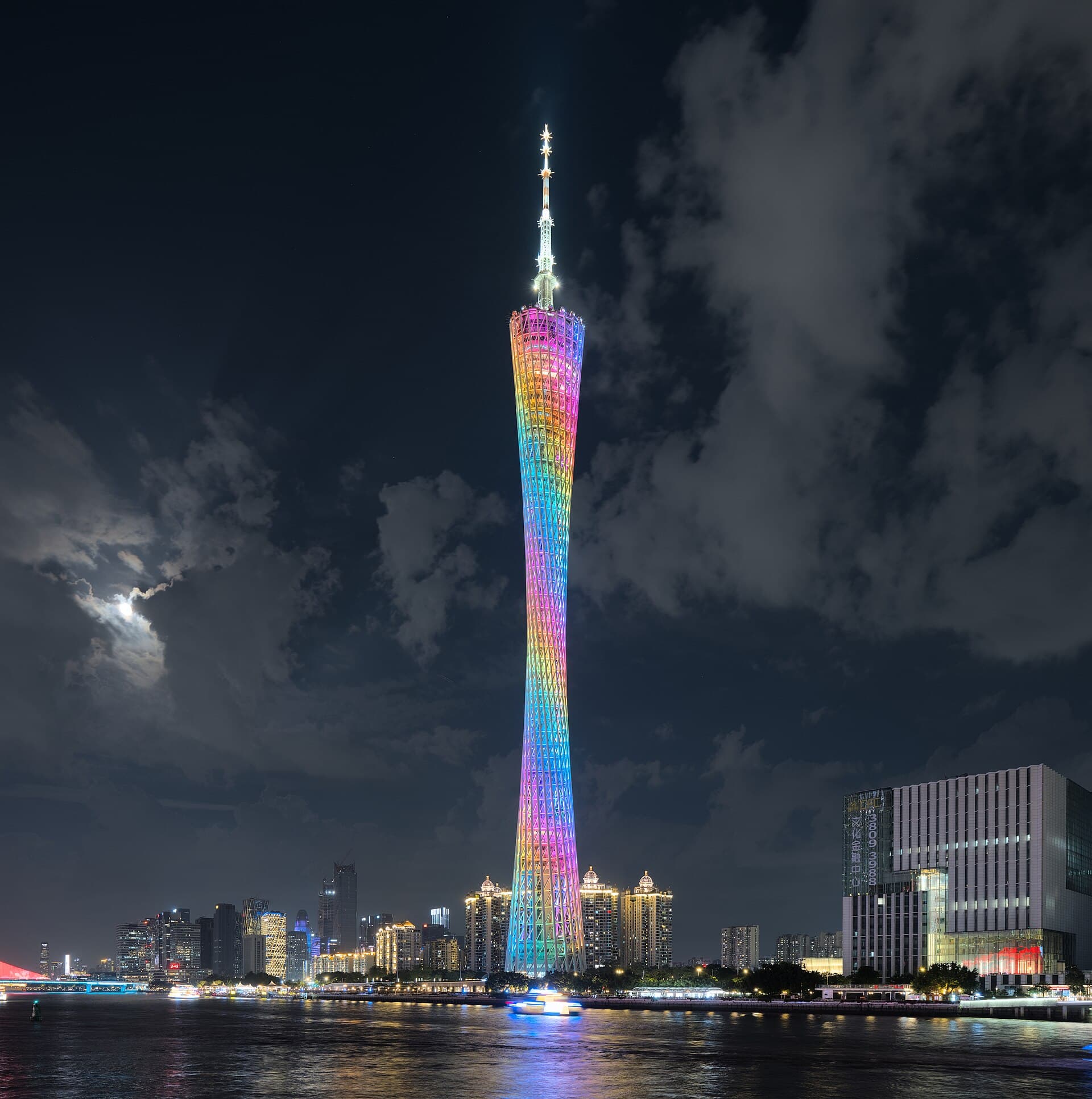
A Cantonese food-first city with Pearl River evenings, trade-city energy, and a softer South China gateway role.
Best for
Travelers who want Cantonese food, river nights, and a practical southern base.
Every city guide
Open any of the 105 city guides directly, including the smaller cities that do not appear in the explorer cards above.
Before you book
See which city pages have better tourism, airport, metro, and attraction references before relying on them for practical decisions.
Beijing
Use Beijing as the iconic-history city, but keep official route, event, and complaint sources close to the page.
Open sourceShanghai
Use Shanghai as the easy-arrival benchmark because official tourism, airport, and metro layers are comparatively complete.
Open sourceGuangzhou / Guangdong
Use this as the official source base for Guangzhou until city-level English visitor pages are more complete.
Open sourceShenzhen
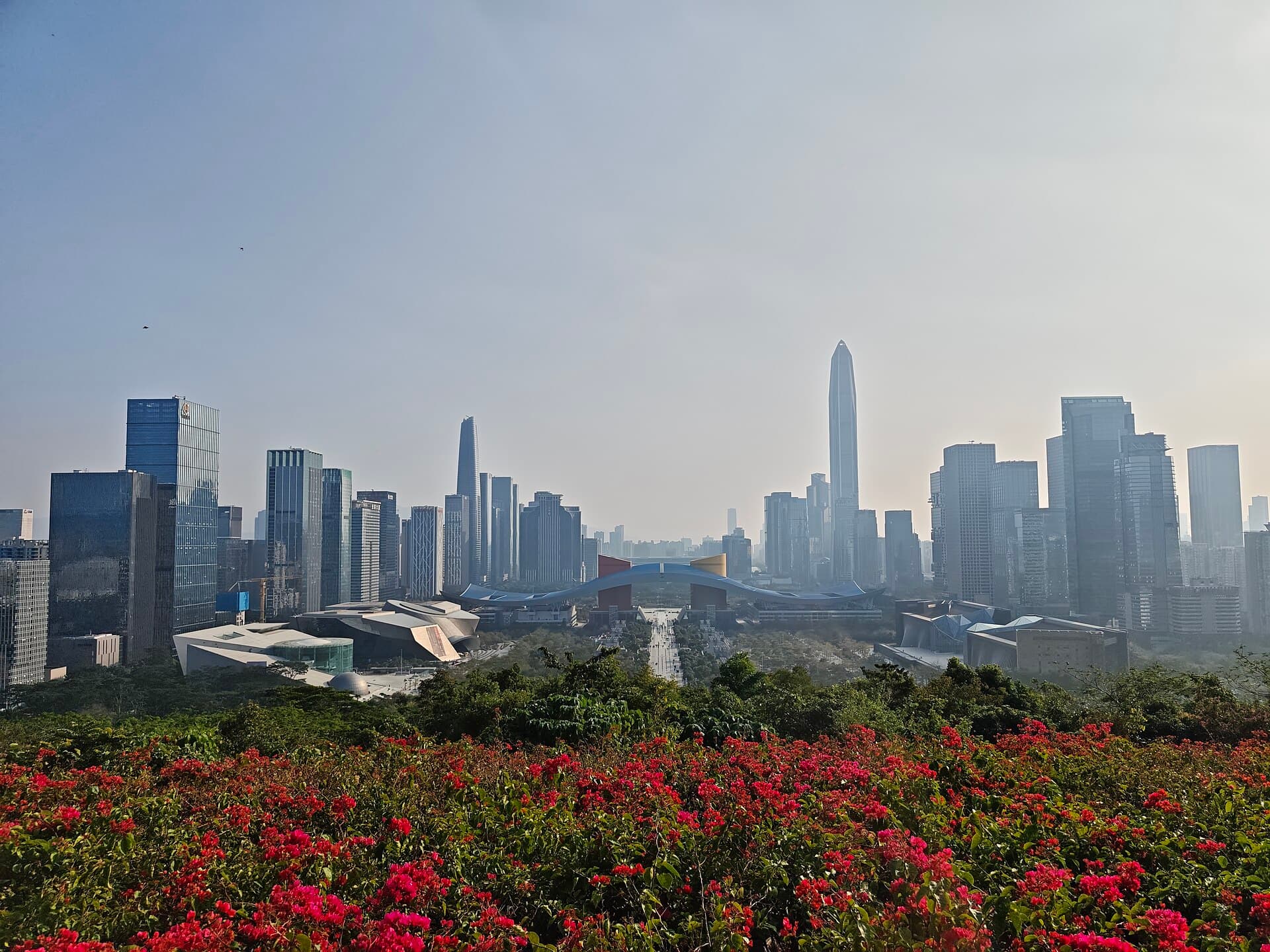
Position Shenzhen as a modern gateway and Hong Kong-adjacent extension, with airport and district pages used for practical detail.
Open sourceChengdu / Sichuan
Use for Chengdu's comfort-and-food promise, then verify pandas, airports, and major sights through operator sources.
Open sourceXi'an / Shaanxi
Use when explaining Xi'an's heritage role and when separating official cultural context from attraction popularity lists.
Open sourceHangzhou / Zhejiang
Use Hangzhou as the calm East China add-on, with official city tourism and attraction operator pages for details that can change.
Open sourceSuzhou / Jiangsu
Use for Suzhou garden and canal-side route context, then verify individual garden tickets through operator pages.
Open sourceCollections
Visitors from Europe and Southeast Asia often browse by trip shape first: easy first stop, food, scenery, history, or a short city break.
Start with the cities that reduce friction while still giving a strong sense of place.
Choose this route logic if your first trip needs iconic cultural payoff from day one.
Best for travelers who want the trip to feel delicious, comfortable, and easy to inhabit.
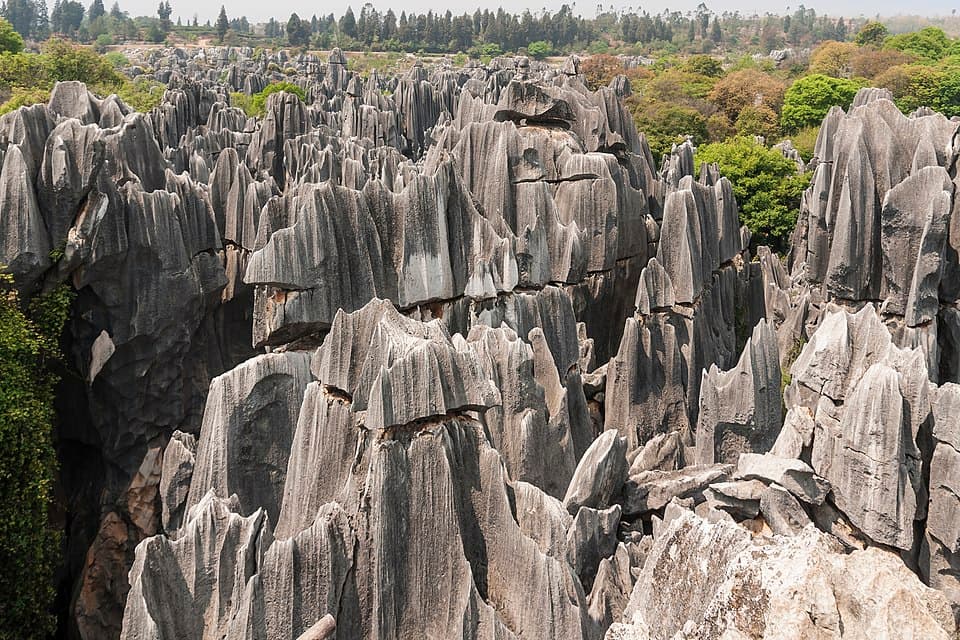
Use these when the trip is really about mountains, rivers, and slower regional movement.
Use these when the traveler wants strong infrastructure, shopping, design, business energy, or an easier entry point.
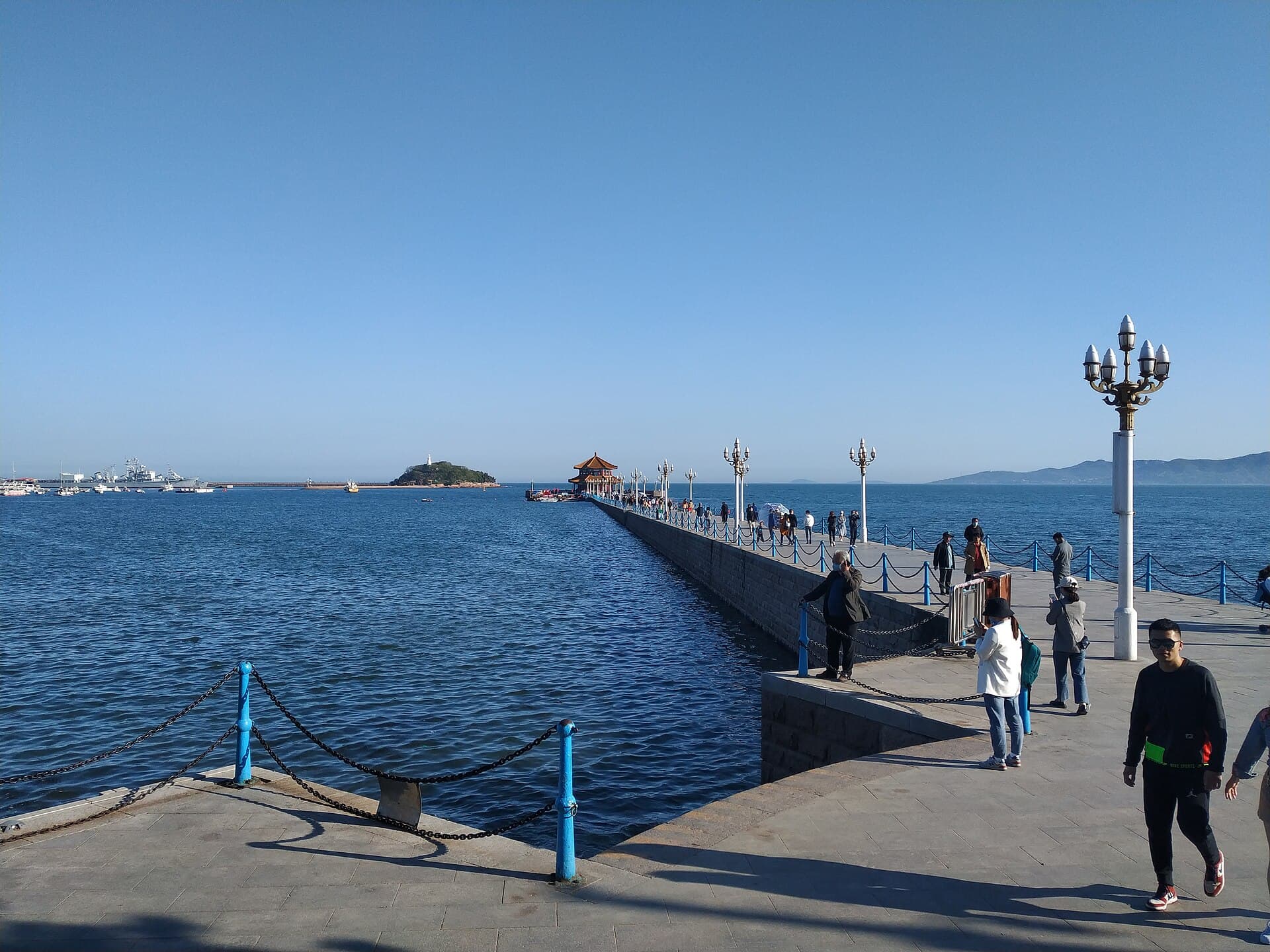
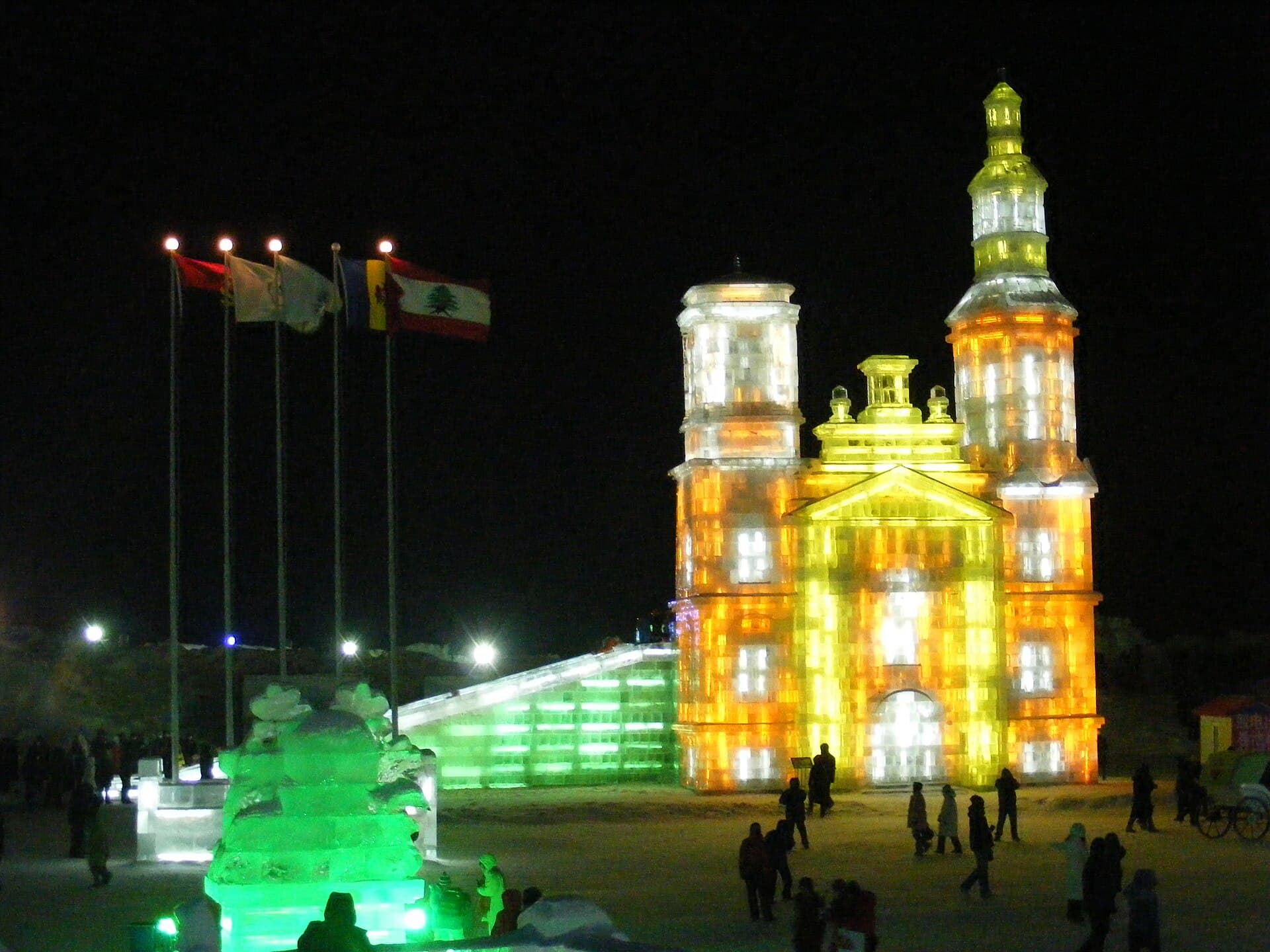
Good when the trip needs a distinctive mood: winter spectacle, sea air, beer culture, or a lighter side route.
Regions
This is a clearer browse pattern for international users who think in regions, route feel, and trip energy before they think in secondary city names.
The easiest place to start if you want polished transit, city comfort, and lower-friction first stops.
Best when imperial history, iconic landmarks, and classic first-trip symbolism matter most.
A stronger fit for travelers who want a familiar urban base or a flexible entry point before moving on.
Use this when food, atmosphere, mountains, or nature-led pacing matters more than checklist sightseeing.
Useful when high-speed rail, riverfront city life, museums, and non-obvious second-city choices matter.
Rewarding scenery trips where weather, tickets, internal movement, and recovery days matter more.
Watch before you go
These are not random travel vlogs. They are official destination videos and city explainers that help a traveler picture the place before booking or choosing a first base.
Visit Beijing
A real destination video from Visit Beijing that helps first-time visitors feel the scale and character before planning the route.
Open official videoMeet in Shanghai
Official English-language videos on airport ground transport and alternative transfer modes for international arrivals.
Open source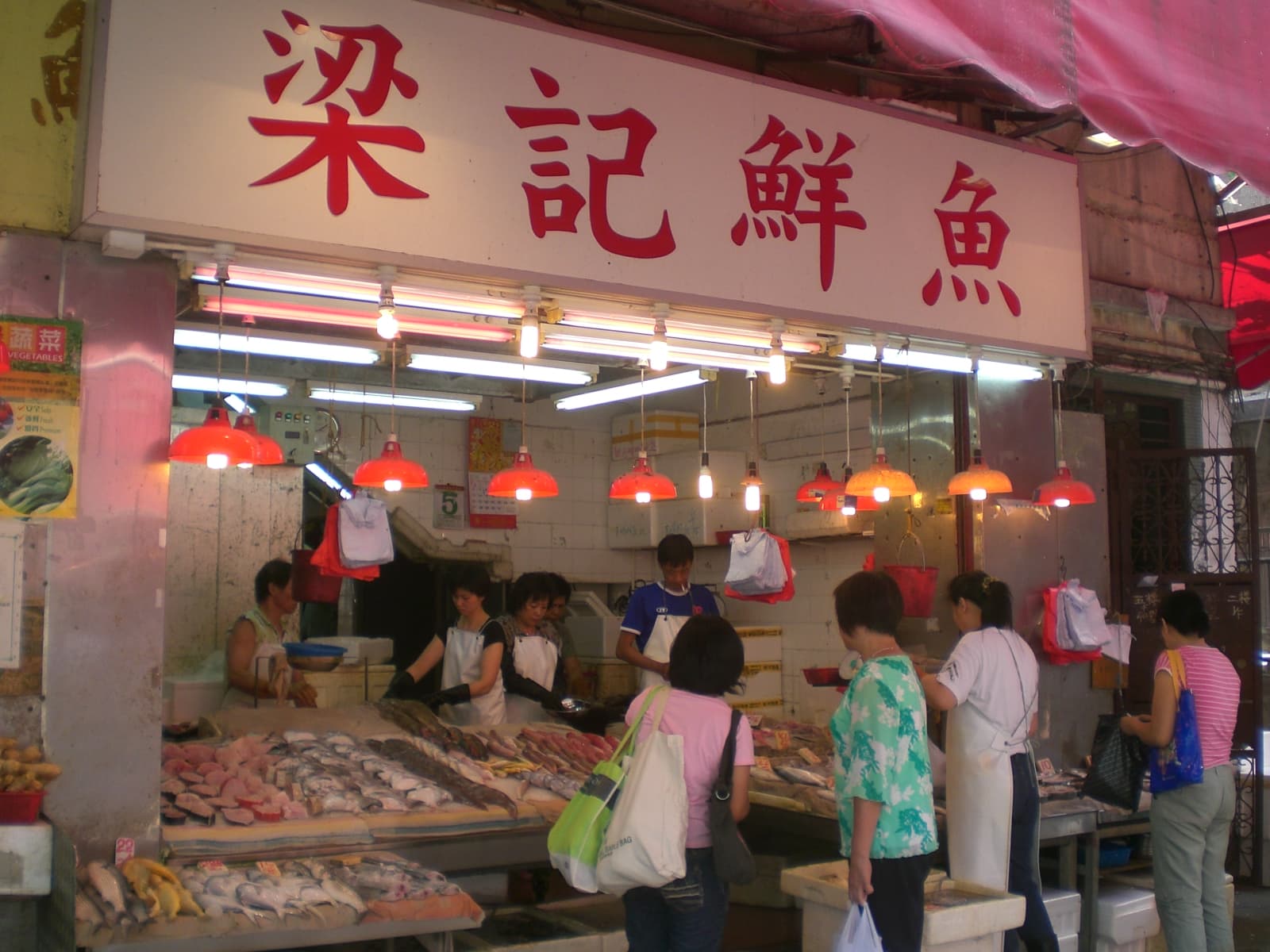
Discover Hong Kong
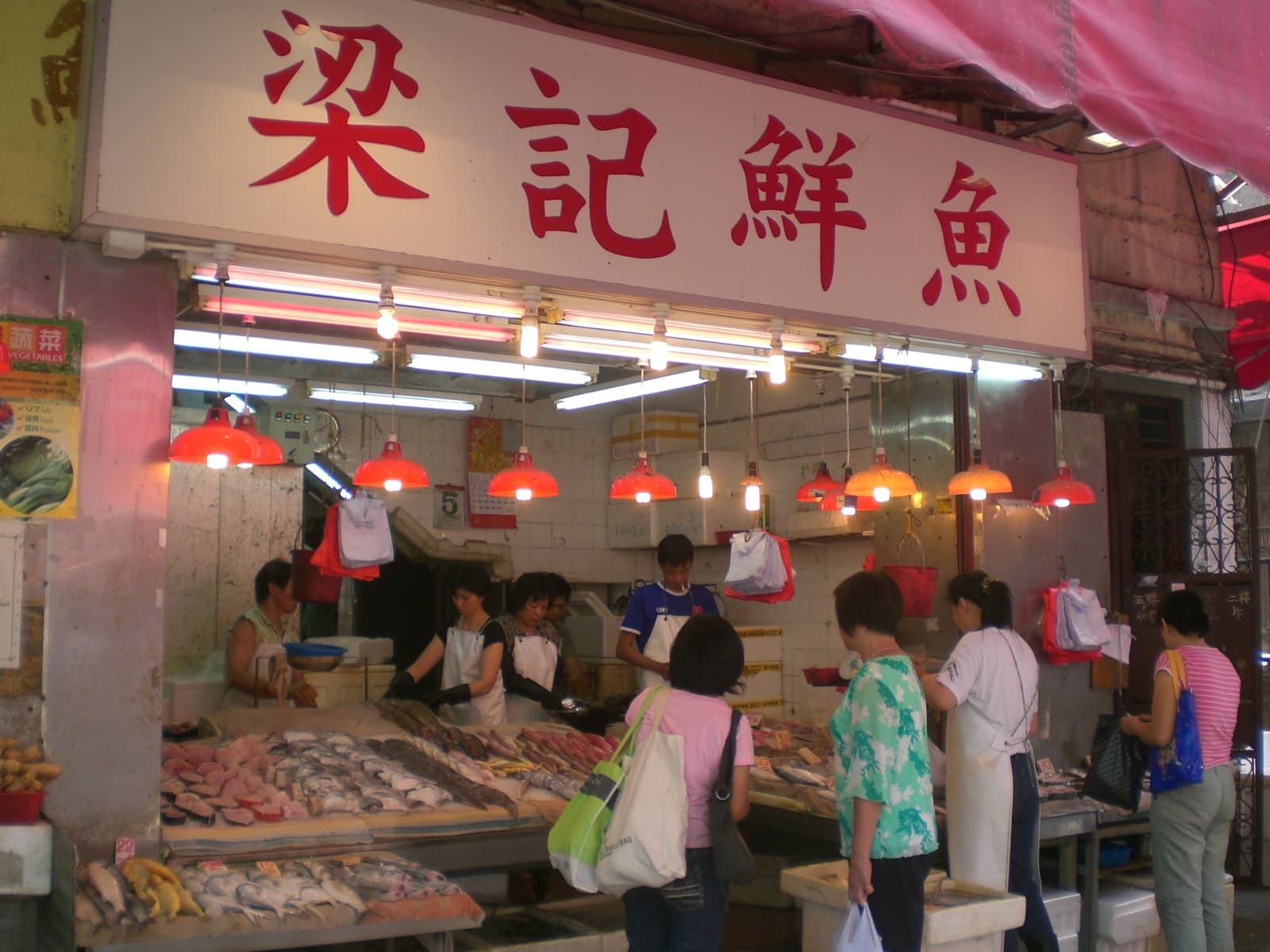
Use this official Hong Kong Tourism Board food-and-culture feature when you want a polished reference for city energy.
Open source
UNESCO World Heritage Centre
UNESCO/NHK official heritage video and World Heritage context for travelers comparing Yunnan old-town routes.
Open source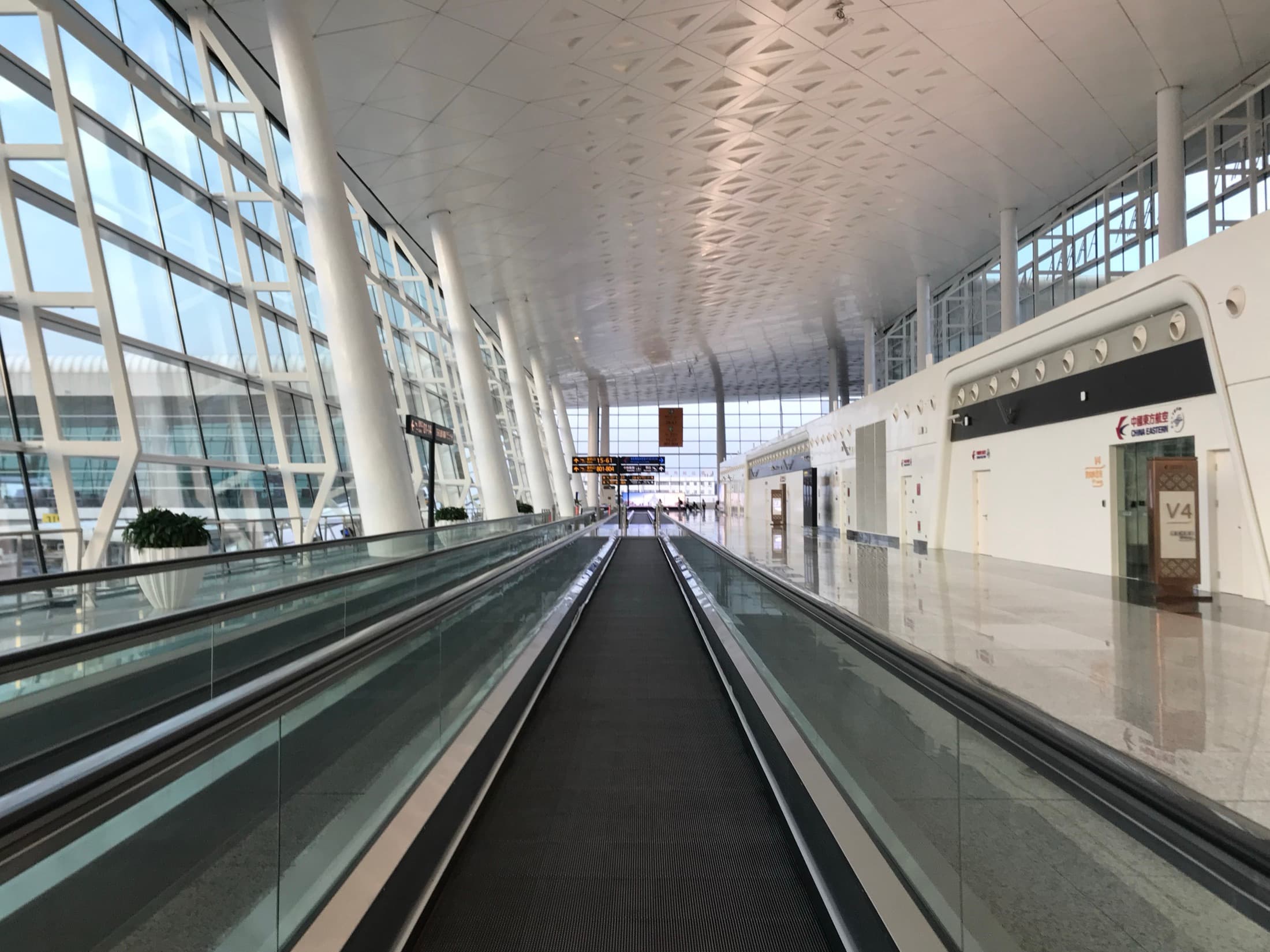
Wuhan Municipal Government
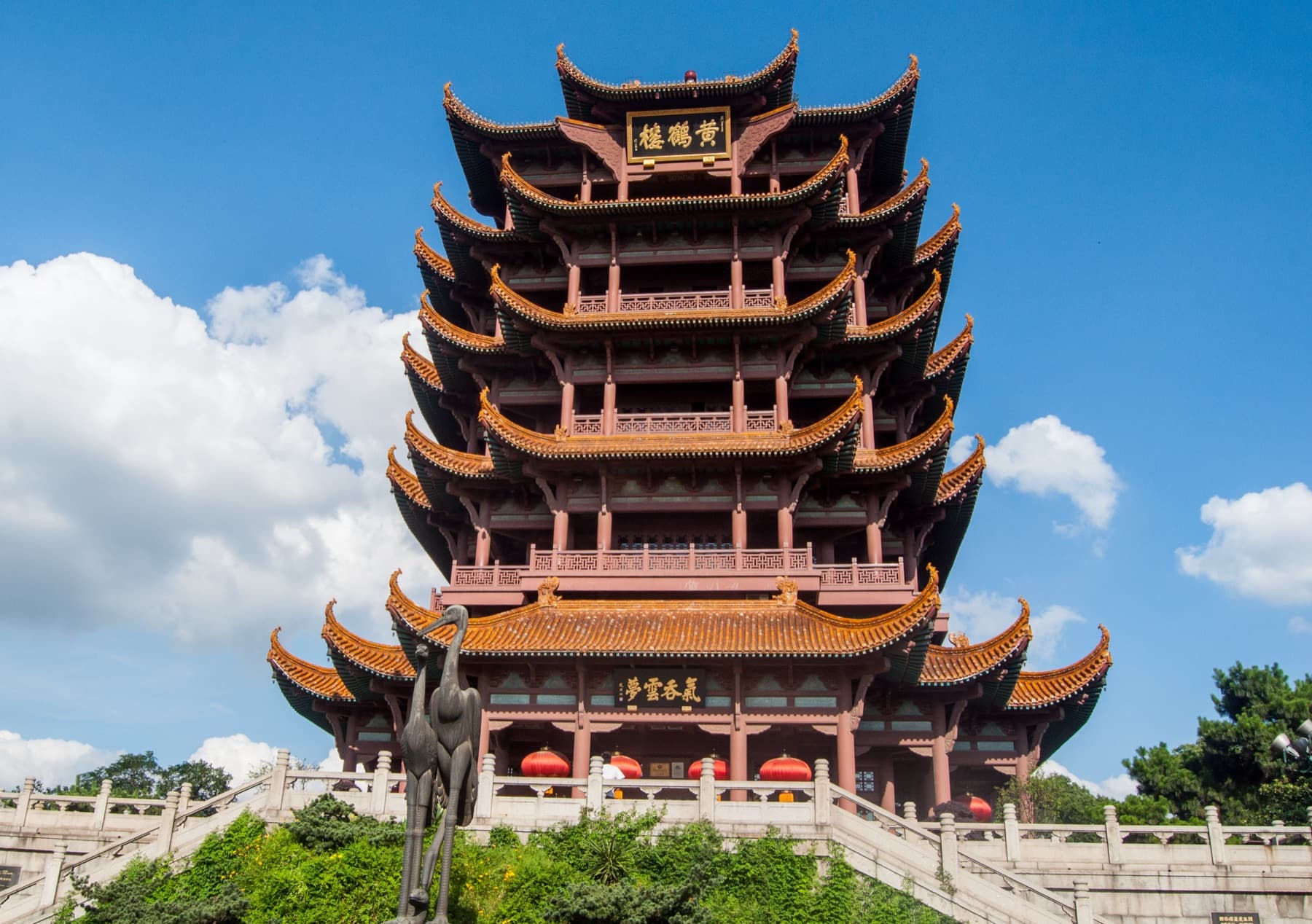
Official Wuhan government article pointing to the city's 2025 promotional film and current destination positioning.
Open sourceMacao Government Tourism Office
Macao Government Tourism Office video hub for short official destination clips and overview material.
Open sourceSanya Tourism Board
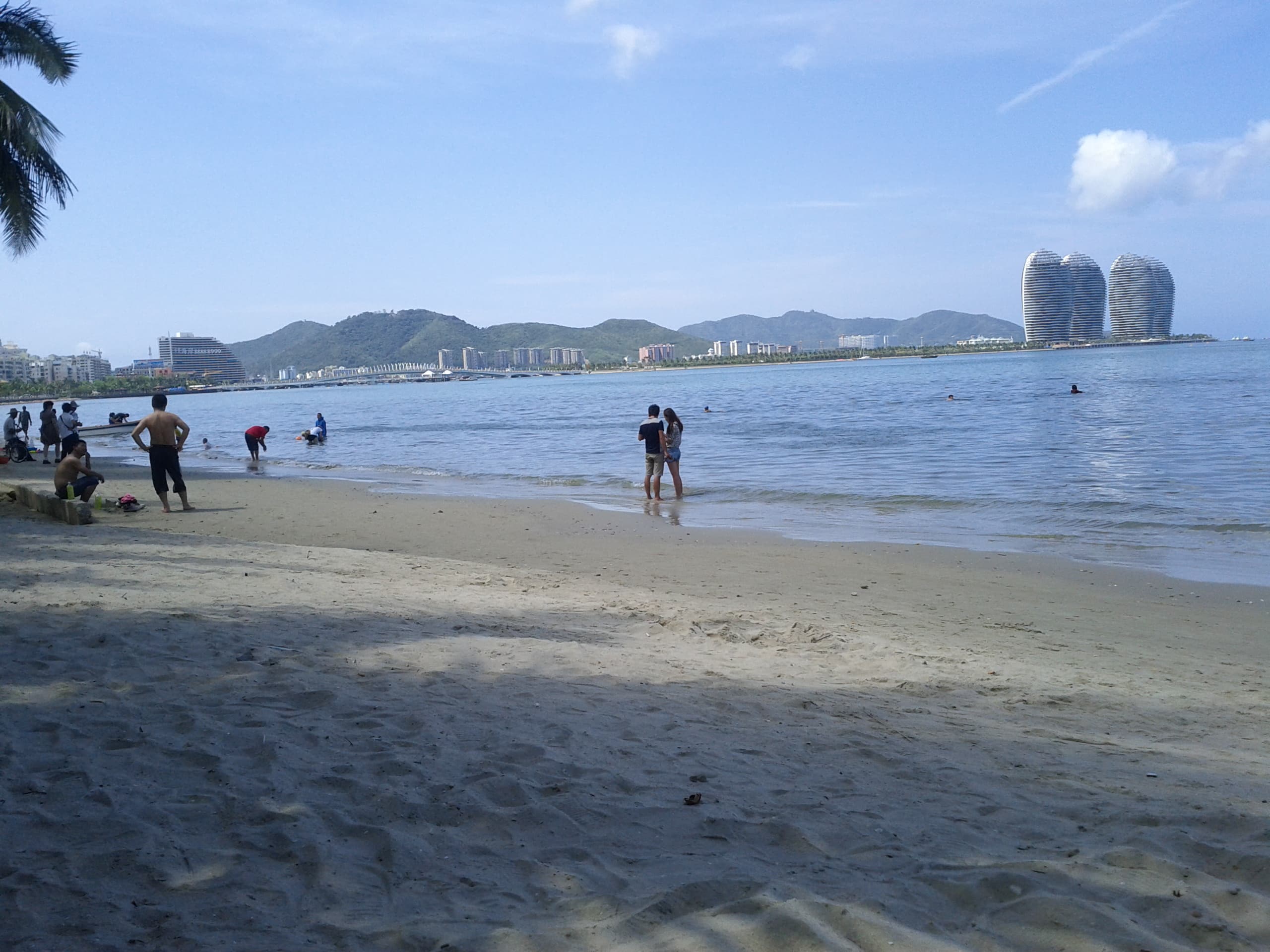
Official Sanya Tourism Board video page for the beach, resort, and tropical-island layer of a China route.
Open sourceDestination pages can suggest the kind of ticket or transfer to expect, but exact attraction prices and opening rules should come from operator or official pages.
A famous attraction is not automatically a good first-day choice. The page weighs arrival effort, payment, distance, crowds, and recovery time.
Destination visuals show city mood, movement, food, and arrival context, not just postcard landmarks.
Design principle
The goal is not to dump destination content. The goal is to help a first-time traveler match their pace and trip style to the right first stop, then keep browsing once the first decision feels grounded.
Next move
Read enough to make the decision smaller, then open the checklist, search a specific question, choose a setup tool, or share the page with the person planning with you.
Use the checklist when the question has shifted from research to preparation.
Search by the actual problem: Alipay, eSIM, transit visa, first transfer, vegetarian food, or a city name.
Open recommendations when the task is clear enough for a short list to be useful.