Back to Destinations

Practical city brief

Shenzhen

Shenzhen is a modern China stop that works best as a Hong Kong extension, tech/design city, or easy theme-park introduction.

Choose Shenzhen if you want contemporary China, clean transit, border flexibility, and visitor-friendly attractions more than old-city atmosphere.

Quick answer

Use Shenzhen for modern China, OCT-area attractions, and Hong Kong-adjacent movement.

Use this page when

Travelers entering from or returning to Hong Kong

Share this page

EmailWhatsAppXSuggest fix

Send this guide to a travel partner, family member, or yourself before departure.

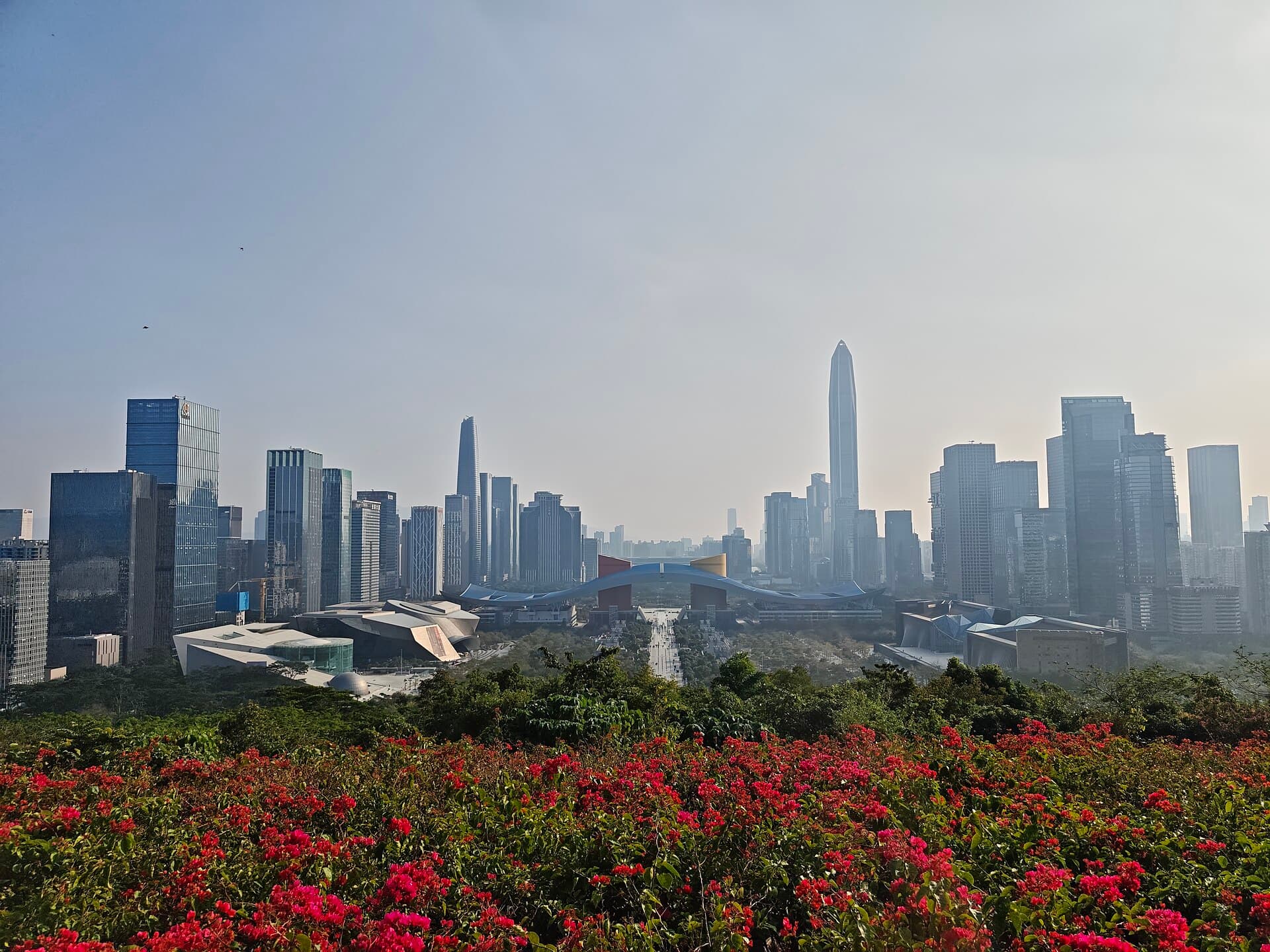
Futian CBD and Civic Center skyline in Shenzhen

Real city reference

Shenzhen

Photo Pathfinbird · CC BY-SA 4.0

Real situations

Shenzhen: what matters before you go

These cards turn source research into traveler-facing decisions: what to see, what to eat, and what the city will feel like on the ground.

First sights

Window of the World and Splendid China are the easy first sights

Current destination evidence gives clear planning details for Window of the World and Splendid China/Folk Culture Village, including rough ticket levels, hours, and Metro Line 1 access.

Sights

1.OCT area
2.Metro Line 1
3.Evening show
4.Family friendly

Food status

Food is modern, mixed, and mall-friendly

Shenzhen food guidance works best when framed around modern southern food, mall food halls, seafood, coffee, and easy QR-order environments rather than claiming a single historic cuisine identity.

Food

1.Food halls
2.Seafood
3.Coffee
4.Easy QR ordering

City feel

A city built around reinvention

Shenzhen barely existed as a major city before the Special Economic Zone era. That origin makes it feel young, migrant-built, Mandarin-first, ambitious, and deliberately modern. The deeper story is not old temples; it is Huaqiangbei electronics, Nanshan tech, OCT-LOFT design, and older Hakka villages on the eastern edge.

Feel

1.SEZ origin
2.Nanshan tech
3.OCT-LOFT
4.Hakka villages

Official sources

Source anchors used for this city brief

These links show the source layer behind the city brief and where travelers should recheck live operator details before booking.

What to see first

Use the OCT cluster as the starter path: Window of the World if the traveler wants easy spectacle, Splendid China/Folk Culture Village if they want a simplified cultural overview.

What to eat first

Until stronger food sources arrive, recommend easy first meals: mall restaurants, photo menus, seafood in established areas, and coffee/design districts rather than obscure local-only spots.

How to frame the city

Shenzhen is not the page for ancient-China romance. It is the page for modern China, border movement, convenience, design districts, electronics markets, and the story of a small border town becoming a megacity within one generation.

At a glance

What this page helps you decide

The quick version first: what to understand, what to choose, and what still deserves a live check.

Read

Choose Shenzhen if you want contemporary China, clean transit, border flexibility, and visitor-friendly attractions more than old-city atmosphere.

Decide

Use Shenzhen for modern China, OCT-area attractions, and Hong Kong-adjacent movement.

Check

Do not position it as a deep-history city; the value is modernity and convenience.

Before you act

Separate the decision from the live check.

This page can narrow the choice. Prices, tickets, app screens, and policy details still belong with the current official or operator source.

Decide here

Whether this place fits the role you need for the first trip.

Still verify

Exact attraction tickets, reservation windows, opening hours, weather, and transport changes.

Best use

Use this as a city-fit brief before you build the route.

City practical brief

What a visitor needs to know in Shenzhen

The city brief starts with the ordinary things that shape the stay: food, arrival movement, and where to find help.

Food comfort

Eat with less guesswork

Cantonese Dim SumShajin Oysters (沙井生蚝)Cantonese Congee (粥)Cantonese Sausage (腊肠)

Shenzhen breakfast follows Cantonese tradition: dim sum, congee, rice noodle rolls. As a migrant city, you'll also find breakfast styles from all over China. Many restaurants open early for morning tea.

Dietary move: Seafood is prominent — be careful with shellfish allergies. Most restaurants accommodate requests.

Open food source

Arrival movement

Solve the first transfer

Metro (SZX)

Use the official metro or airport page for current ticket, route, and payment details before choosing the first transfer.

Help and safety

Save the fallback layer

Police

110

Ambulance

120

Fire

119

Keep embassy contacts; nearest consulates in Guangzhou/HK for some nationalities.

Open support source

City experience brief

What Shenzhen feels like after the logistics are solved

After the basics, the useful question is not only what to see, but what the city feels like and which places deserve a real check before you spend the day.

Human environment

Read the city before you plan the day

Young, innovative, tech-driven metropolis. Shenzhen grew from a fishing village to a 20-million-person city in just 40 years. The city feels modern, efficient, and forward-looking — home to Huawei, Tencent, DJI, and countless tech startups. Shenzhen is China's richest city by GDP per capita and has been called the 'Silicon Valley of China.' The city has excellent air quality for a major Chinese city and a strong expat community. Nightlife is vibrant, and the city is known as a 'sleepless city.'

Good first areas

  • Futian district — CBD, shopping, metro hub
  • Nanshan district — tech companies, modern, international
  • Luohu district — near Hong Kong border, traditional shopping
  • OCT (Overseas Chinese Town) — theme parks, cultural venues

Etiquette cue

Shenzhen culture is pragmatic and efficiency-oriented. The city is a migrant city with people from all over China, so local customs vary. Tipping is not expected. Business culture is innovative and fast-paced. Public behavior should be respectful; the city has strict enforcement of public order. English is more widely spoken in Shenzhen than in many Chinese cities due to the international business community.

Open cited source

Famous places

Places worth checking first

Source: Attraction source review

Names, category, price, distance, and outbound citations are stored; traveler notes are rewritten for TravelerLocal. Trip.com listing prose and Wikivoyage text are not reproduced. Exact prices, opening hours, and reservations still need an official/operator check before travel day.

Crowd and safety rhythm

Shenzhen is very safe — strict gun control, police patrols, and CCTV everywhere. Pickpocketing can occur in crowded areas. The city is well-connected to Hong Kong via high-speed rail (19 minutes from Kowloon). Visa on Arrival is available for many nationalities. Summer (May-October) is hot and humid with typhoon risk; October-April is most pleasant.

HuaqiangbeiDafen Oil Painting VillageWindow of the WorldFolk Culture Village

Best option

Use Shenzhen for modern China, OCT-area attractions, and Hong Kong-adjacent movement.

Backup option

Do not position it as a deep-history city; the value is modernity and convenience.

Good for

  • Travelers entering from or returning to Hong Kong
  • Visitors curious about modern Chinese cities, malls, design, and transit
  • Families who want simple attraction logistics

Watch out for

  • Expecting old-town atmosphere like Suzhou or Nanjing
  • Depending on English government pages that may be unavailable
  • Assuming every border or visa-on-arrival rule applies to every nationality

Action checklist

  • Anchor the first day around one OCT-area attraction.
  • Check border, visa, and transport rules before crossing from Hong Kong.
  • Use Shenzhen as a modern city layer, not a historical centerpiece.

Continue

Leave with one next page, not five open tabs.

If this page answered the question, continue to the closest related step. If it did not, search for the exact issue rather than browsing sideways.

Next move

Leave each page knowing what to do next.

Read enough to make the decision smaller, then open the checklist, search a specific question, choose a setup tool, or share the page with the person planning with you.

Official sources for rules, fares, payments, safety, and device setup.
Written around the day-one jobs: pay, connect, move, eat, get help.
Recommendations stay attached to a traveler task.

I need the next step

Use the checklist when the question has shifted from research to preparation.

Open checklist

I know the problem

Search by the actual problem: Alipay, eSIM, transit visa, first transfer, vegetarian food, or a city name.

Search the site

I am ready to choose

Open recommendations when the task is clear enough for a short list to be useful.

See recommendations