01
Needs live checkEntry path
Confirm passport, route, stay length, first entry city, arrival card, and whether a visa-free, visa, or transit path applies.
Traveler job
Know whether the trip can legally start before buying more plans.
Route design
In short
A safer first China itinerary starts with one stable arrival base, protects the first 48 hours, then adds only one nearby or clearly connected second stop. For many travelers that means Shanghai plus Suzhou or Hangzhou, Beijing plus Xi'an only with enough nights, or Chengdu plus Chongqing for food-first trips.
Compare route shapesApplies to
First-time China visitors comparing 7-day, 10-day, two-city, food-first, culture-heavy, southern gateway, or scenery-first routes.
Check before you rely on it
The right route still depends on entry city, flight time, hotel area, train or flight schedules, attraction booking windows, weather, payment readiness, and how much pace the traveler can enjoy.
Route shapes for first-time China trips, organized by pace, distance, first base, and what the traveler wants to remember.
Pace check
Use the pace checker when a route looks exciting but may hide too many hotel changes, transfer days, or first-night pressure.
Trip path
Use this page after entry, phone data, payment, first transfer, first meal, and support backups are stable enough for a bigger trip shape.
01
Needs live checkConfirm passport, route, stay length, first entry city, arrival card, and whether a visa-free, visa, or transit path applies.
Traveler job
Know whether the trip can legally start before buying more plans.
02
Use with caveatMake maps, translation, wallet prompts, hotel details, and support contacts usable before leaving the airport.
Traveler job
Keep the phone useful when the traveler is tired, offline, or moving.
03
Use with caveatPrepare one primary wallet, one linked card, one backup card or cash path, and the first small checkout flow.
Traveler job
Complete the first snack, taxi, or restaurant payment without debugging in a queue.
04
Needs live checkChoose the first airport-to-hotel route, save the hotel address in Chinese, and keep a fallback if data or payment is slow.
Traveler job
Reach the hotel without making the airport arrival the hardest part of the trip.
05
ReadyPick one low-friction meal area or restaurant type and prepare ordering, dietary, and QR-payment fallback notes.
Traveler job
Eat something simple before chasing the perfect food plan.
06
ReadySave emergency numbers, insurer details, consular support, hotel contacts, and lost-passport backup before travel day.
Traveler job
Know who to contact if luggage, payment, health, documents, or transport fails.
07
ReadyChoose a first base and route shape only after entry, phone, payment, transfer, meal, and support basics are stable.
Traveler job
Avoid building an exciting route on top of unresolved first-day risk.
Itinerary answers
These guides cover the high-intent route questions behind first-time China itinerary searches, then return travelers to the broader route planner.
Start with one stable first base, protect the first 48 hours, then add a second city only when entry, data, payment, transfer, and hotel logistics are clear.
A 7-day first trip should usually stay simple: one main city plus one easy add-on, or two connected cities only if the transfer is short and the first 48 hours are protected.
A 10-day first trip can support two or three stops, but it should still protect arrival setup, avoid backtracking, and group cities by rail or flight logic rather than fame alone.
Shanghai is usually the simplest first stop, Beijing is strongest for major history, and Chengdu is calmer when food and rhythm matter more.
Chongqing can be memorable for food, night views, and mountain-city energy, but it is not the easiest first base. Use it when the traveler is comfortable with density, hills, spicy food, and navigation complexity.
Route planner
For overseas travelers, the itinerary problem is rarely inspiration. It is choosing where to land, how hard the first 48 hours should feel, which transport legs stay simple, and when another city becomes too much.
1 base
first-night stability
1 clear theme
food, history, city, scenery
1 backup plan
payment, data, transport
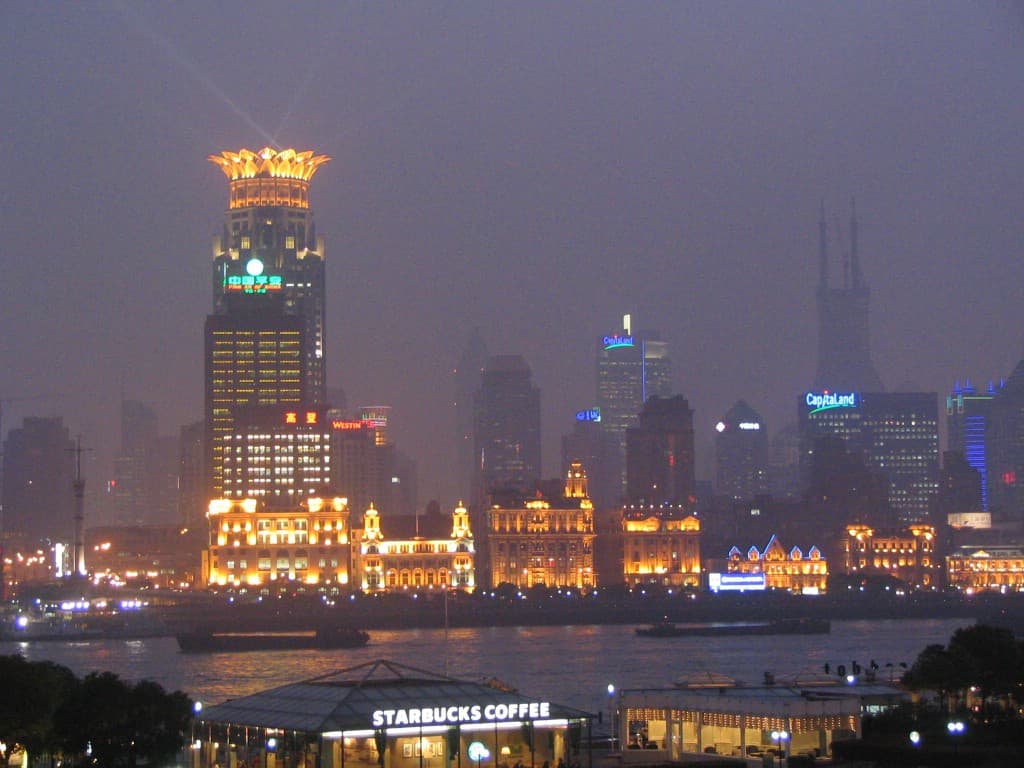
A safer first route
Route finder
These are not random dream itineraries. Each route is designed around arrival clarity, payment setup, transport simplicity, and what a first-time visitor can actually enjoy.
7 days
First-time visitors who want big-city comfort, short rail hops, and a soft landing.
First 48 hours
Land in Shanghai, test Alipay or WeChat Pay, keep the first evening near the hotel, then do one guided neighborhood loop.
Transport spine
High-speed rail segments are short, frequent, and forgiving if energy drops.
Avoid if: You mainly want imperial history or mountain scenery.
Open city guide
9-10 days
Travelers who want the Great Wall, ancient capitals, and a modern finish.
First 48 hours
Begin in Beijing with one landmark day and one recovery day before any early train or flight.
Transport spine
Use one long rail or flight transfer, then end with a simpler Shanghai departure.
Avoid if: You only have five or six nights on the ground.
Open city guide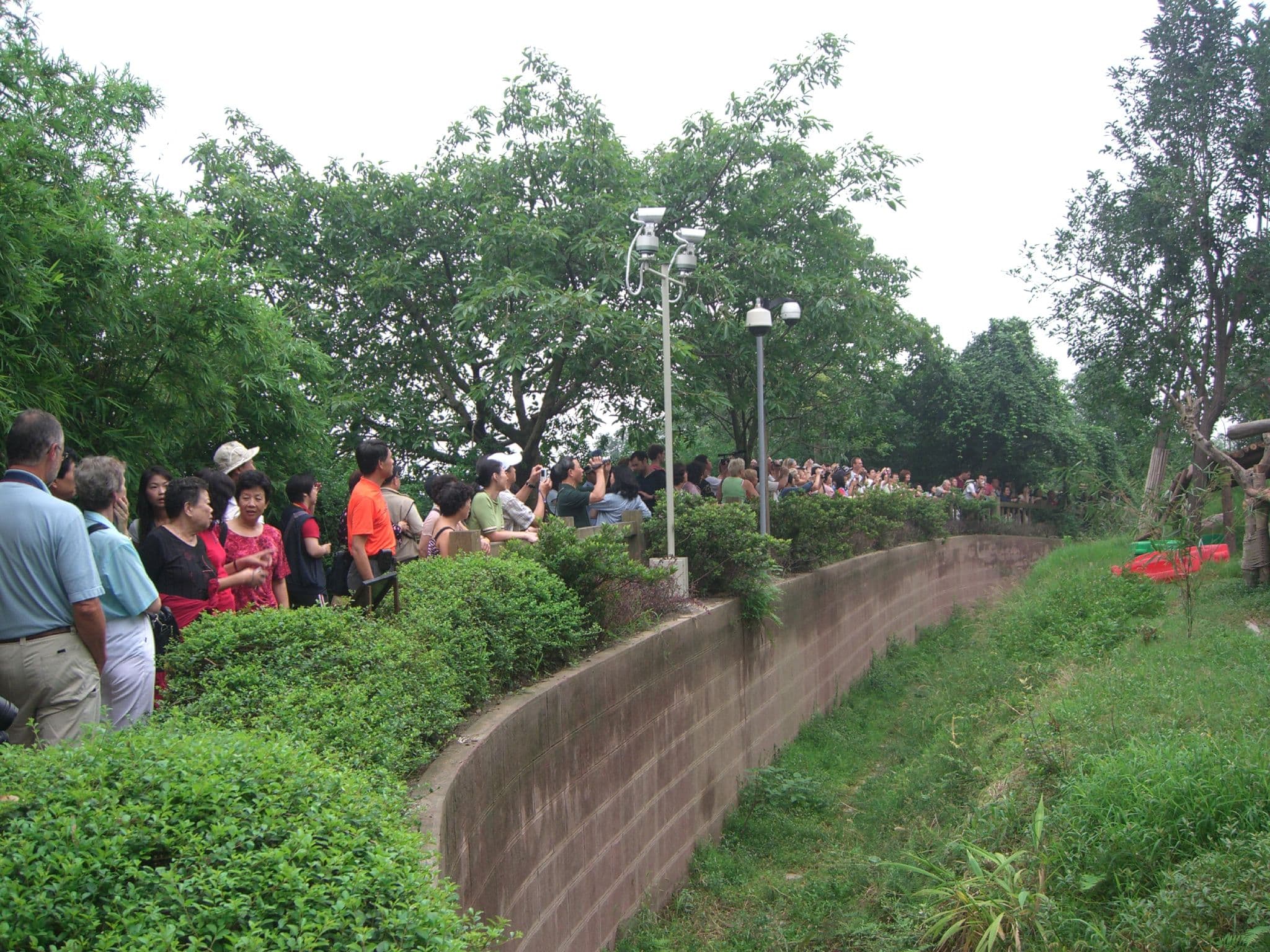
6-8 days
Food travelers who want teahouses, hotpot, pandas, night views, and slower mornings.
First 48 hours
Start in Chengdu, keep spice levels optional, and book one food walk after payment setup is tested.
Transport spine
The Chengdu-Chongqing high-speed rail makes the second city easier to add.
Avoid if: You dislike spicy food or humid weather.
Open city guide
8-10 days
Couples, photographers, and slower travelers who want towns, lakes, and mountains.
First 48 hours
Use Kunming or Dali as the first buffer, then add altitude and longer transfer days later.
Transport spine
Keep one major move per day and protect daylight arrival windows.
Avoid if: You need the simplest airport-to-hotel arrival in China.
Open city guide
6-7 days
Visitors who want an easier English-language runway before entering mainland cities.
First 48 hours
Use Hong Kong to sort SIM, cash, and arrival basics before crossing into Shenzhen.
Transport spine
Border crossing and short rail legs make this feel modular.
Avoid if: Your visa plan or entry documents are not confirmed yet.
Open city guide
4-5 days
Travelers adding one beautiful landscape chapter after a major city base.
First 48 hours
Do not make this your first arrival unless flights are simple; add it after Shanghai, Guangzhou, or Chengdu.
Transport spine
Works best as a contained side trip rather than a chain of many cities.
Avoid if: You need frequent international flight options.
Open city guideBefore adding another city
A good China route should feel clearer as the trip gets closer. If the page only inspires people but does not protect their first payment, first train, first meal, and first hotel arrival, it is not doing enough.
Use one base plus one nearby stop. China rewards depth more than checkpoint travel.
Sleep in the arrival city first unless the onward transfer is protected and refundable.
Rank each route by payment readiness, transport difficulty, language support, and first-night food access.
Install eSIM, payment apps, maps, translation, and hotel address cards before the flight.
Route fit
A route needs more than a good-looking map: arrival clarity, payment setup, official check points, and a realistic first transfer.
Strongest first-route evidence
Shanghai has official English tourism, airport, and metro layers, and nearby rail hops keep the route forgiving.
Editorial action
Use this as the default first-time route when the traveler values an easier arrival more than checklist sightseeing.
Iconic but heavier
Beijing has strong official portal and airport evidence, but landmark days and longer transfers demand more recovery time.
Editorial action
Add Xi'an only when the traveler has at least 9 nights or accepts one heavier transfer day.
Food-led and compact
Chengdu airport evidence is strong and the second-city jump is compact, but spice, humidity, and hill-city movement need warnings.
Editorial action
Recommend this to food travelers after payment setup is solved, not as a pure first-arrival simplicity route.
Bridge route
Hong Kong has strong official visitor information and Shenzhen airport evidence, but mainland payment and entry setup remain separate.
Editorial action
Use when the traveler wants an English-friendly runway before crossing into mainland China.
Route logic
The route should answer practical travel questions before it becomes a long wish list.
Arrival base
1For most first-timers, the best first city is not the most exotic city. It is the city where airport transfer, hotel check-in, payment testing, and food are least fragile.
Second stop
2A second city should change the trip, not just make the map look fuller. Add history, food, scenery, or border flexibility. Do not add motion for the sake of motion.
Transfer design
3Internal China travel is efficient, but the stress comes from stations, ID checks, platform timing, and app reliance. Keep transfer days lighter than sightseeing days.
Build order
This sequence protects the user from overbuilding the route before the basics of arrival, energy, and internal movement are clear.
Before booking
Decide where the traveler should land and spend the first stable days before thinking about second-city ambition.
After flights
Leave enough room for hotel check-in, first payments, transport learning, and early recovery from jet lag.
Before finalizing the route
Only add more movement when it creates a different payoff: landmarks, food, scenery, or a calmer contrast.
Route families
For first-timers, this is more useful than only listing cities, because it starts from the reason they are traveling.
Start with the cities that reduce friction while still giving a strong sense of place.
Choose this route logic if your first trip needs iconic cultural payoff from day one.
Best for travelers who want the trip to feel delicious, comfortable, and easy to inhabit.
Use these when the trip is really about mountains, rivers, and slower regional movement.
Use these when the traveler wants strong infrastructure, shopping, design, business energy, or an easier entry point.
Good when the trip needs a distinctive mood: winter spectacle, sea air, beer culture, or a lighter side route.
Principles
These are the planning rules that keep an itinerary from becoming a stress multiplier.
The first route should make arrival, hotel check-in, and the first payment easier, not create additional complexity immediately.
Most first-time itineraries improve when one city does most of the work before a second stop is added.
A food-led trip, landmark trip, or scenery-led trip should each be built differently instead of using the same generic multi-city format.
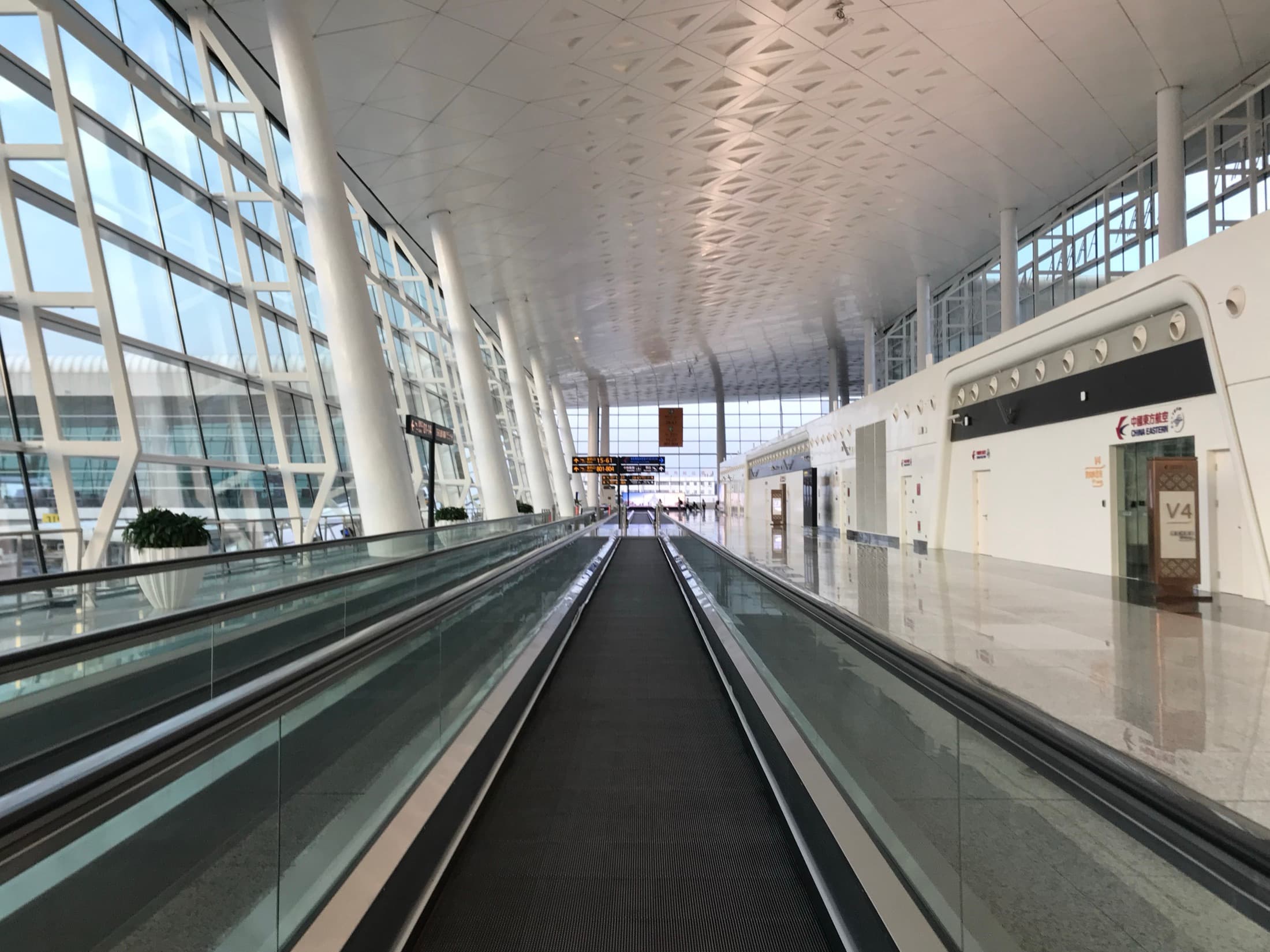
Next practical step
Once a traveler chooses a route, the next step is making the setup practical: payment, eSIM, apps, airport transfer, hotel address cards, and transport tickets.
Next move
Read enough to make the decision smaller, then open the checklist, search a specific question, choose a setup tool, or share the page with the person planning with you.
Use the checklist when the question has shifted from research to preparation.
Search by the actual problem: Alipay, eSIM, transit visa, first transfer, vegetarian food, or a city name.
Open recommendations when the task is clear enough for a short list to be useful.