Back to Destinations

Destination decision

Beijing

Beijing is the strongest first stop for travelers who want big historical context and major sights immediately.

Choose Beijing when your first-trip goal is cultural scale and classic landmarks, not maximum ease.

Quick answer

Choose this if iconic landmarks matter more than ease.

Use this page when

Travelers who want a strong first impression of classic China

Share this page

EmailWhatsAppXSuggest fix

Send this guide to a travel partner, family member, or yourself before departure.

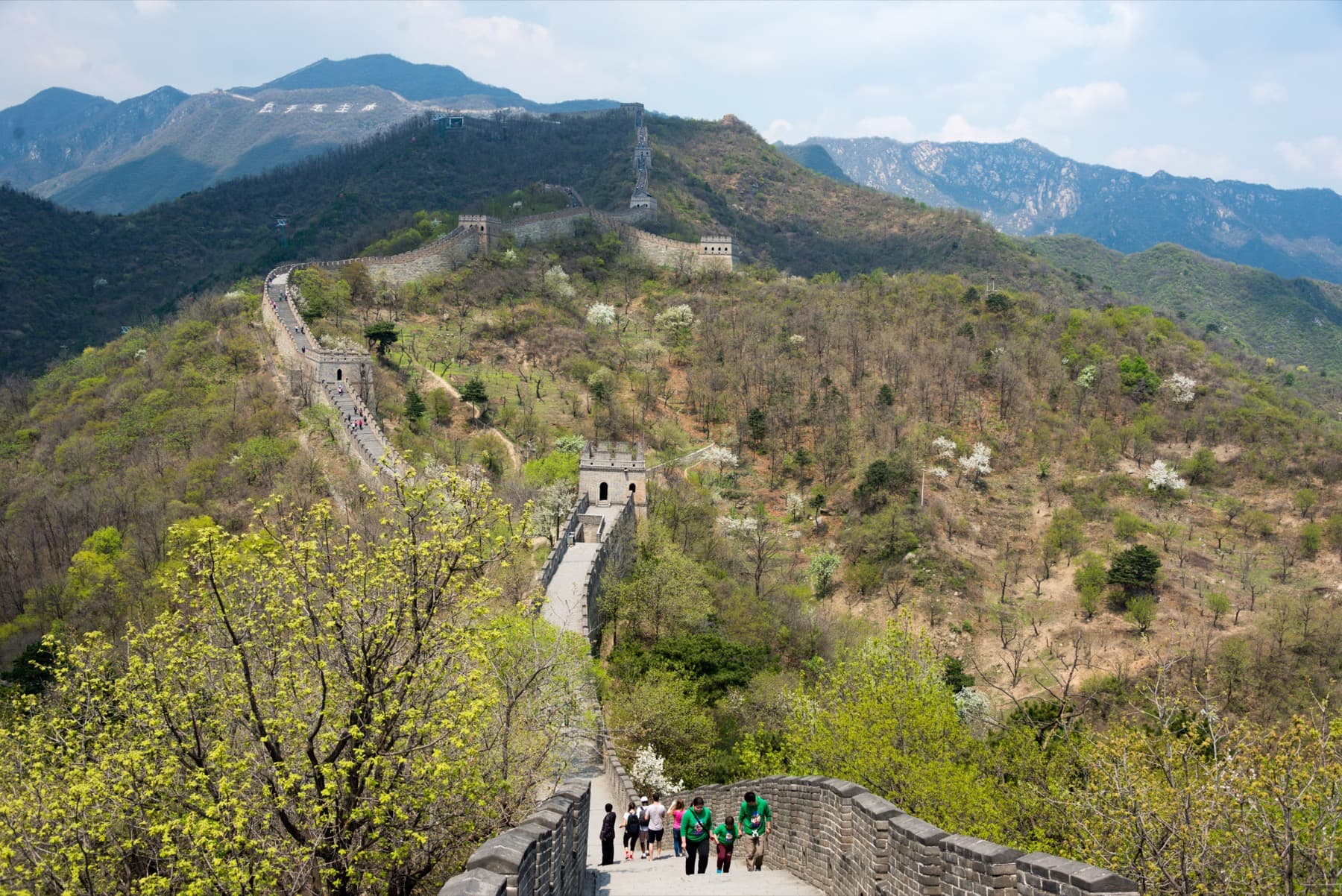
Great Wall at Mutianyu near Beijing winding over forested mountains

Real city reference

Beijing

Real situations

What a first Beijing trip feels like

Beijing works when you want the trip to announce itself immediately through scale, history, and landmark gravity.

Best when landmarks lead

The city feels bigger, faster, and more monumental

The reward is obvious significance, but it asks for more energy and more willingness to move through larger sightseeing days.

Big-sight rhythm

1.Start earlier
2.Budget transit time
3.Let one major sight anchor the day

Set systems first

Preparation matters more here than in a softer first stop

If payments, maps, and routes are stable, Beijing becomes much easier to enjoy. If they are shaky, the city can feel heavier than it should.

Prep matters

1.Confirm transport
2.Keep apps ready
3.Do not stack huge days

Official sources

Official sources before a landmark-heavy day

Use these as the verified starting points for city information and transport checks, then keep the itinerary lighter than it looks on paper.

Watch layer

Watch Beijing before you commit

These official Beijing videos help travelers judge whether they want landmark gravity, city scale, and history-first pacing.

MP4

Visit Beijing

Beijing tourism film

Official videoShort film

A real tourism film from Visit Beijing that helps first-time travelers judge scale, mood, and landmark intensity.

Open official video

Why it works first

Beijing delivers the sense of classic China that many first-time visitors are actively seeking, and it anchors the trip around unmistakable landmarks.

Who it suits best

Travelers who want history, structure, and high-priority major sights to lead the experience.

What to prepare for

The tradeoff is that the trip can feel less gentle than Shanghai, so practical setup and pacing matter even more.

Check the official source before the big day

Before a museum, palace, or Great Wall day, use official visitor information first and treat third-party summaries as secondary. Beijing rewards preparation because distance, reservations, and fatigue can all compound on the same day.

At a glance

What this page helps you decide

The quick version first: what to understand, what to choose, and what still deserves a live check.

Read

Choose Beijing when your first-trip goal is cultural scale and classic landmarks, not maximum ease.

Decide

Choose this if iconic landmarks matter more than ease.

Check

Budget more energy for bigger distances and busier sightseeing days.

Before you act

Separate the decision from the live check.

This page can narrow the choice. Prices, tickets, app screens, and policy details still belong with the current official or operator source.

Decide here

Whether this place fits the role you need for the first trip.

Still verify

Exact attraction tickets, reservation windows, opening hours, weather, and transport changes.

Best use

Use this as a city-fit brief before you build the route.

City practical brief

What a visitor needs to know in Beijing

The city brief starts with the ordinary things that shape the stay: food, arrival movement, and where to find help.

Food comfort

Eat with less guesswork

Peking Duck (北京烤鸭)Zhajiangmian (炸酱面)Copper Pot Mutton Hotpot (铜锅涮羊肉)Tanghulu (糖葫芦)

Typical Beijing breakfast includes soybean milk (豆浆) with deep-fried dough sticks (油条), steamed buns (包子), or congee. Douzhi is a distinctive local breakfast but challenging for most visitors. Hotels serve 7-9:30am.

Dietary move: Carry a Chinese allergy card. Many dishes use sesame, peanuts, and soy sauce. Say '我对___过敏' (I'm allergic to ___).

Open food source

Arrival movement

Solve the first transfer

Airport Express (PEK)

Ticketing methods for foreign visitors available on Beijing government English portal (e.g., Alipay Metro QR, kiosks, counters)

Help and safety

Save the fallback layer

Police

110

Ambulance

120

Fire

119

Carry passport copy; contact your embassy in Beijing for lost passport assistance.

Open support source

City experience brief

What Beijing feels like after the logistics are solved

After the basics, the useful question is not only what to see, but what the city feels like and which places deserve a real check before you spend the day.

Human environment

Read the city before you plan the day

Ancient capital meets modern superpower. Beijing carries 800 years of imperial history as China's political and cultural center. The city feels grand, formal, and historically weighty — wide boulevards, monumental architecture, and a sense of national importance. Foreign visitors encounter a city that is both deeply traditional and aggressively modern, with world-class museums, international dining, and cutting-edge tech scenes coexisting with hutong neighborhoods and temple complexes.

Good first areas

  • Dongcheng district — central, near Forbidden City, Wangfujing shopping
  • Xicheng district — near Lama Temple, hutong areas, more local atmosphere
  • Chaoyang district — modern, international, embassies, Sanlitun nightlife
  • Hutong areas near Shichahai Lake — traditional atmosphere, restaurants, bars

Etiquette cue

Beijing locals are known for being direct and conversational — the classic 'Beijing chat' culture means strangers may strike up conversations easily. Queue orderly at attractions, especially the Forbidden City and Great Wall. Tipping is not expected. When visiting temples or historical sites, dress modestly and follow posted rules about photography. Public behavior should be respectful — loud arguments or confrontations can attract police attention quickly.

Open cited source

Famous places

Places worth checking first

Source: Attraction source review

Names, category, price, distance, and outbound citations are stored; traveler notes are rewritten for TravelerLocal. Trip.com listing prose and Wikivoyage text are not reproduced. Exact prices, opening hours, and reservations still need an official/operator check before travel day.

Crowd and safety rhythm

Beijing receives approximately 3 million foreign visitors annually. Major attractions (Forbidden City, Great Wall) are extremely crowded during Chinese holidays (May Day, National Day). Book Forbidden City tickets weeks in advance. Beijing is very safe — police presence is high, CCTV widespread. Air quality can be poor in winter; check AQI before outdoor activities. Summer (July-August) is hot and crowded; spring and autumn are ideal.

Forbidden City (Palace Museum)Great Wall of China (Mutianyu, Simatai, Jinshanling sections most accessible)Temple of HeavenSummer Palace

Best option

Choose this if iconic landmarks matter more than ease.

Backup option

Budget more energy for bigger distances and busier sightseeing days.

Good for

  • Travelers who want a strong first impression of classic China
  • Trips centered on history, monuments, and must-see sights
  • People willing to trade ease for significance

Watch out for

  • Underestimating distances and energy demands
  • Assuming it will feel as light as an easy city base
  • Cramming too many large sight days back to back

Action checklist

  • Choose Beijing when major sights are the point of the trip.
  • Leave enough energy for distance and landmark-heavy days.
  • Do more practical prep in advance than you think you need.

Continue

Leave with one next page, not five open tabs.

If this page answered the question, continue to the closest related step. If it did not, search for the exact issue rather than browsing sideways.

Next move

Leave each page knowing what to do next.

Read enough to make the decision smaller, then open the checklist, search a specific question, choose a setup tool, or share the page with the person planning with you.

Official sources for rules, fares, payments, safety, and device setup.
Written around the day-one jobs: pay, connect, move, eat, get help.
Recommendations stay attached to a traveler task.

I need the next step

Use the checklist when the question has shifted from research to preparation.

Open checklist

I know the problem

Search by the actual problem: Alipay, eSIM, transit visa, first transfer, vegetarian food, or a city name.

Search the site

I am ready to choose

Open recommendations when the task is clear enough for a short list to be useful.

See recommendations